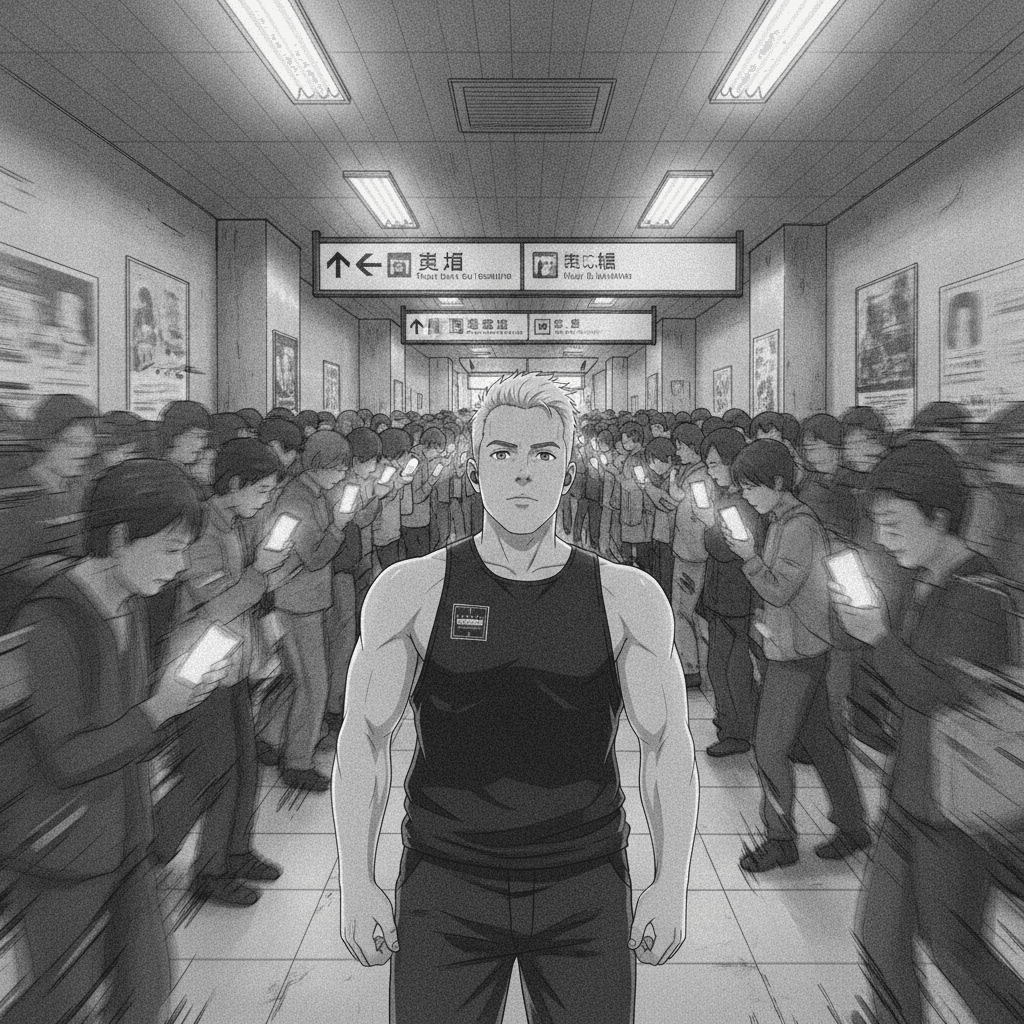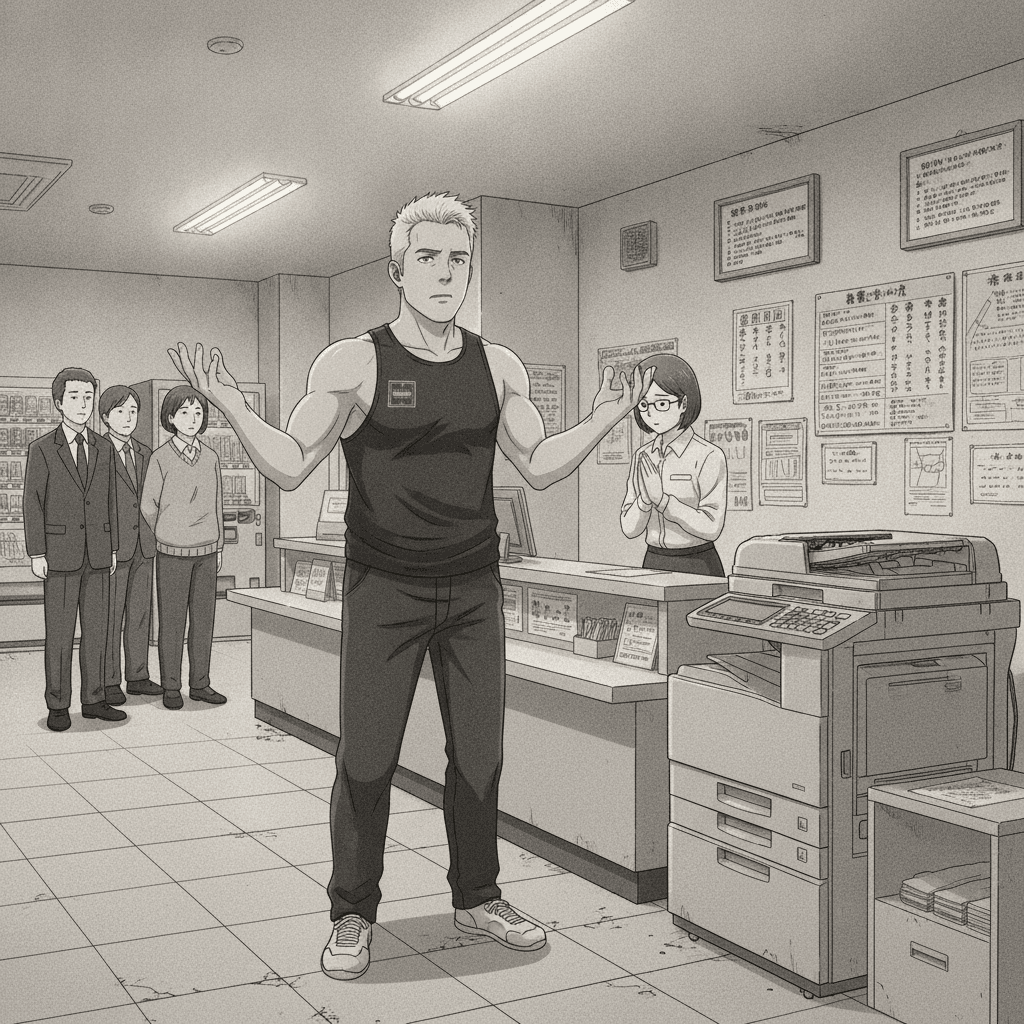

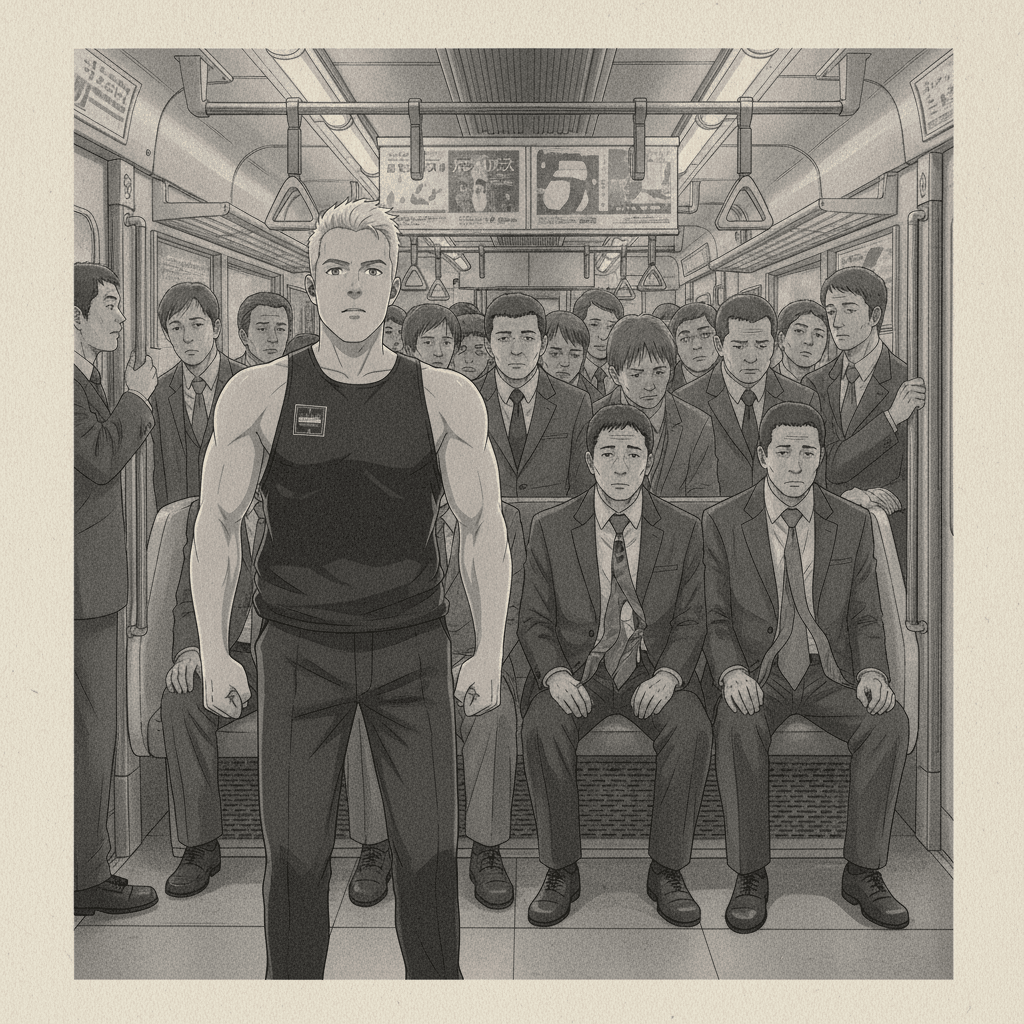
MITSU!? THE KONBINI CHICKEN COUNTING CRISIS OF 2026
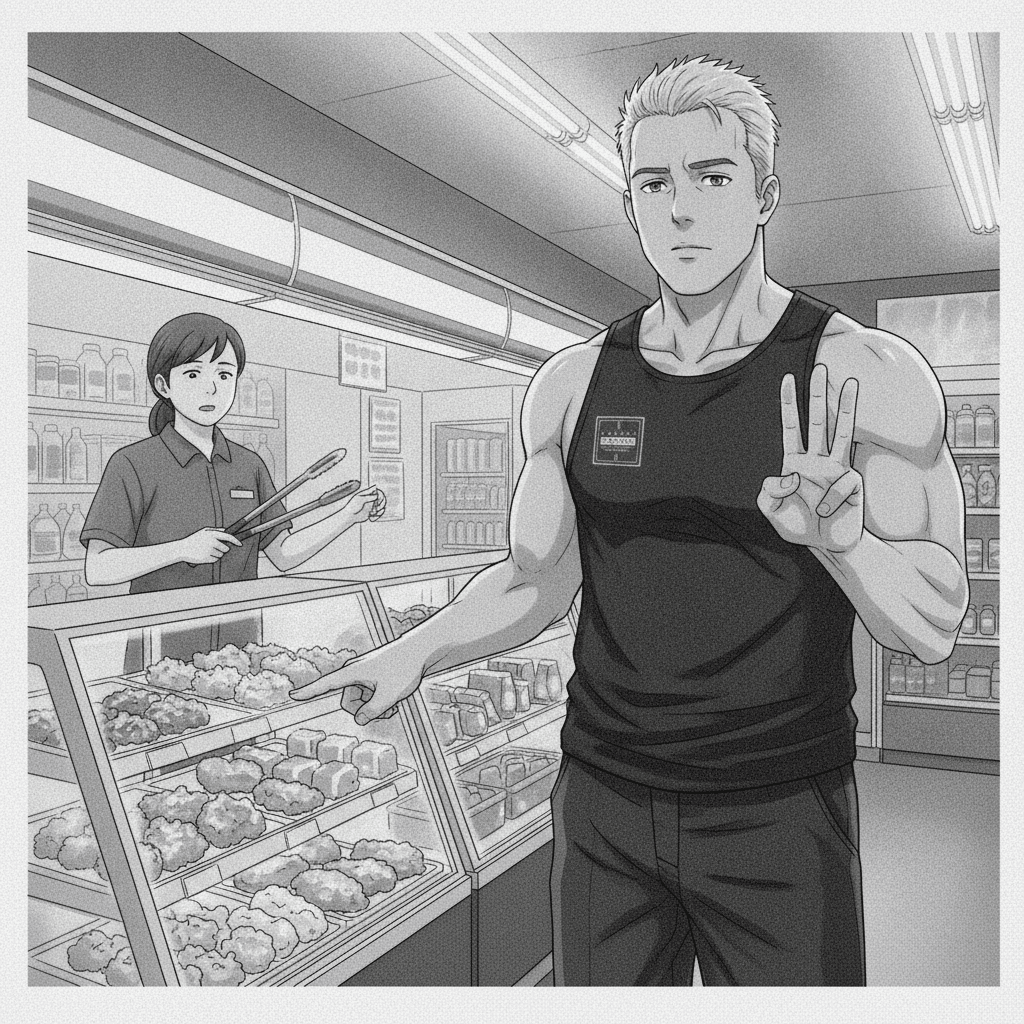
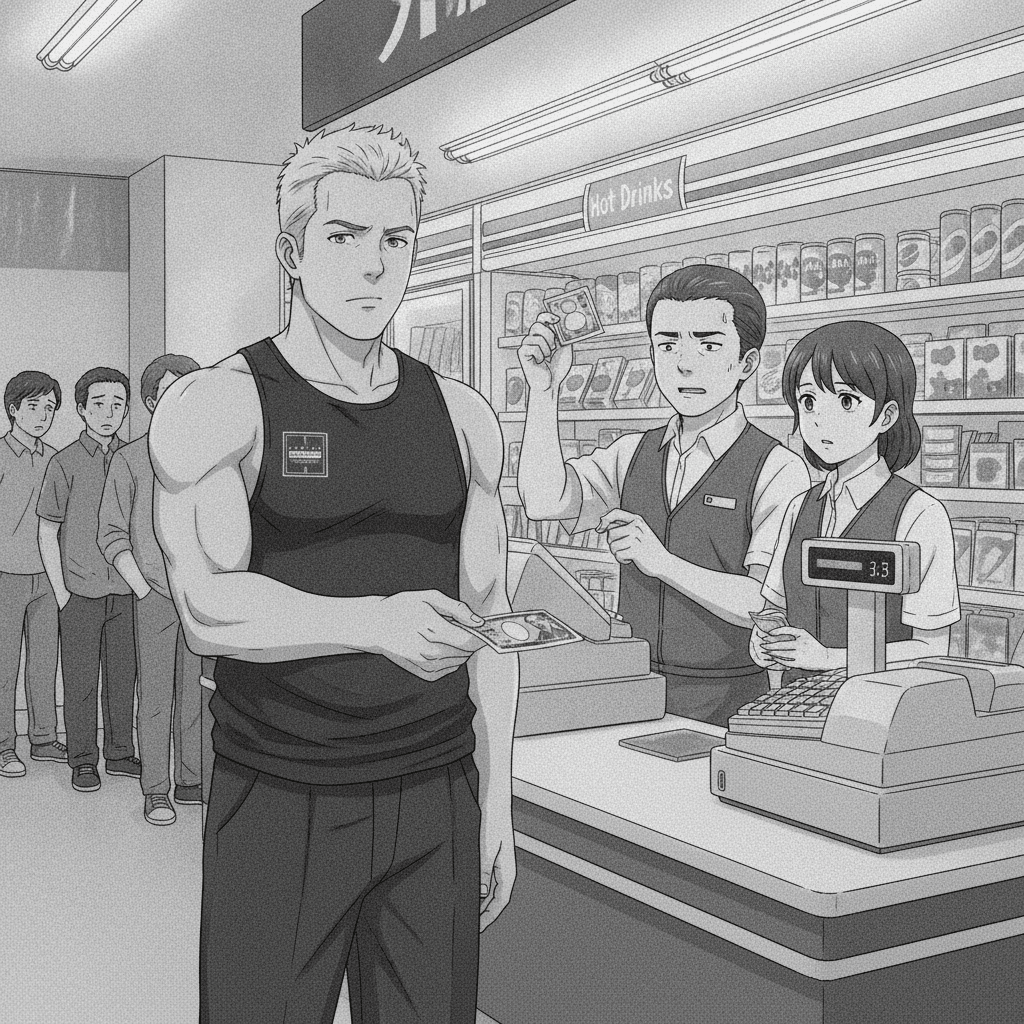
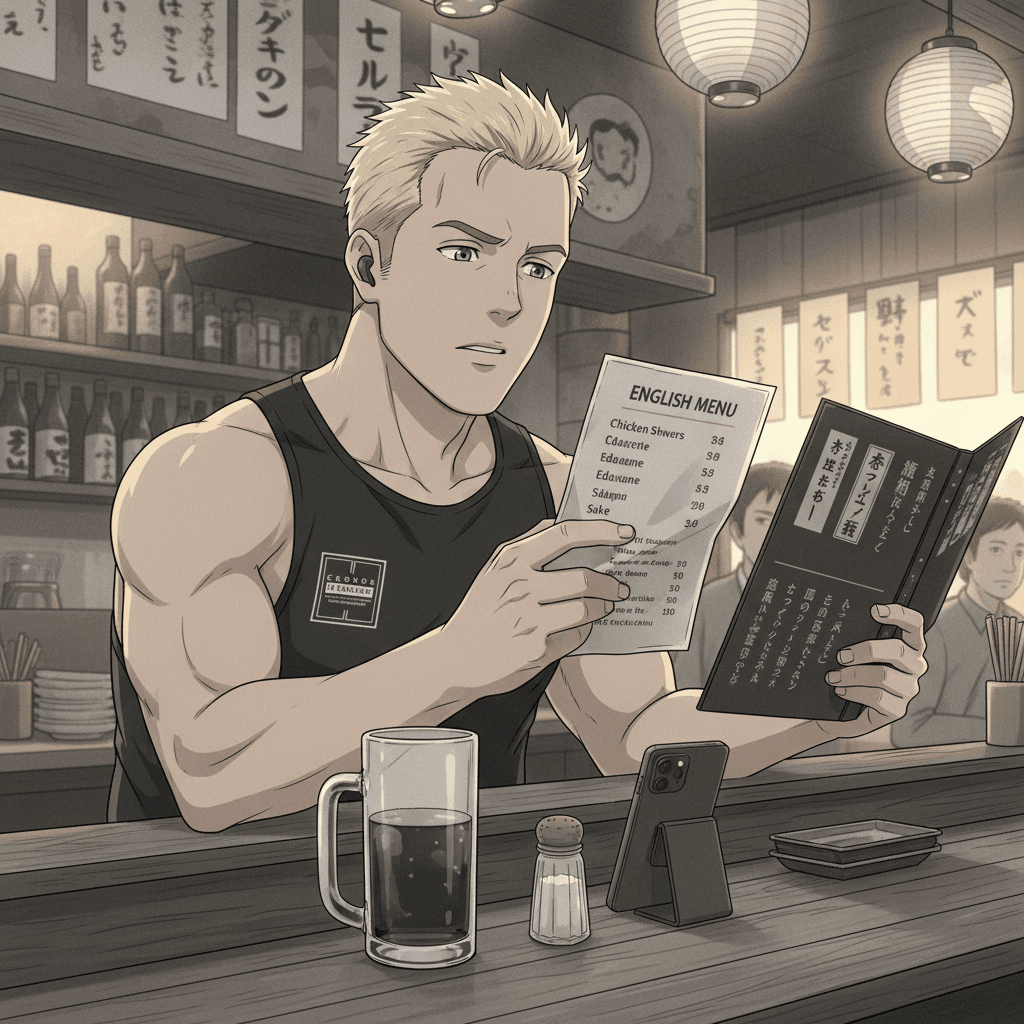
Ordering hot food at a Japanese convenience store should be simple. But dare to ask for three pieces of fried chicken and watch the entire konbini counter reboot into existential shock.

I came here for the food and stayed for the bureaucracy. Years deep in Tokyo, fluent in queueing apologetically and reading a room I will never quite belong in. I write the things polite society won't say out loud so the rest of us don't have to drag it around all week. If you're nodding, you've been here long enough. If you're appalled, you'll learn.

Ordering hot food at a Japanese convenience store should be simple. But dare to ask for three pieces of fried chicken and watch the entire konbini counter reboot into existential shock.

Japanese online reviews are a masterclass in tatemae: glowing paragraphs of praise attached to a savage 2/5 rating. Welcome to the most passive-aggressive scoring system on Earth.

Umbrella etiquette in Japan is a nationwide referendum on the weather, held hourly, in which half the country votes for rain that isn't happening. A field guide to the great Tokyo umbrella panic.

Japanese football fan culture has a fascinating quirk: the national team only exists when it wins. Lose, and the entire tournament is quietly erased from history. A field report on selective national pride.

Understanding tatemae vs honne is the single most important bit of cultural knowledge you can have in Japan. It is the difference between living here and being managed here.

Why does Japanese food culture treat British food like a war crime when nobody here has actually eaten any of it? A rant about the smuggest culinary inferiority complex on earth.

Japan's four seasons obsession is a national delusion dressed up as poetry. No, mate, you did not invent autumn. The rest of the planet also has weather.

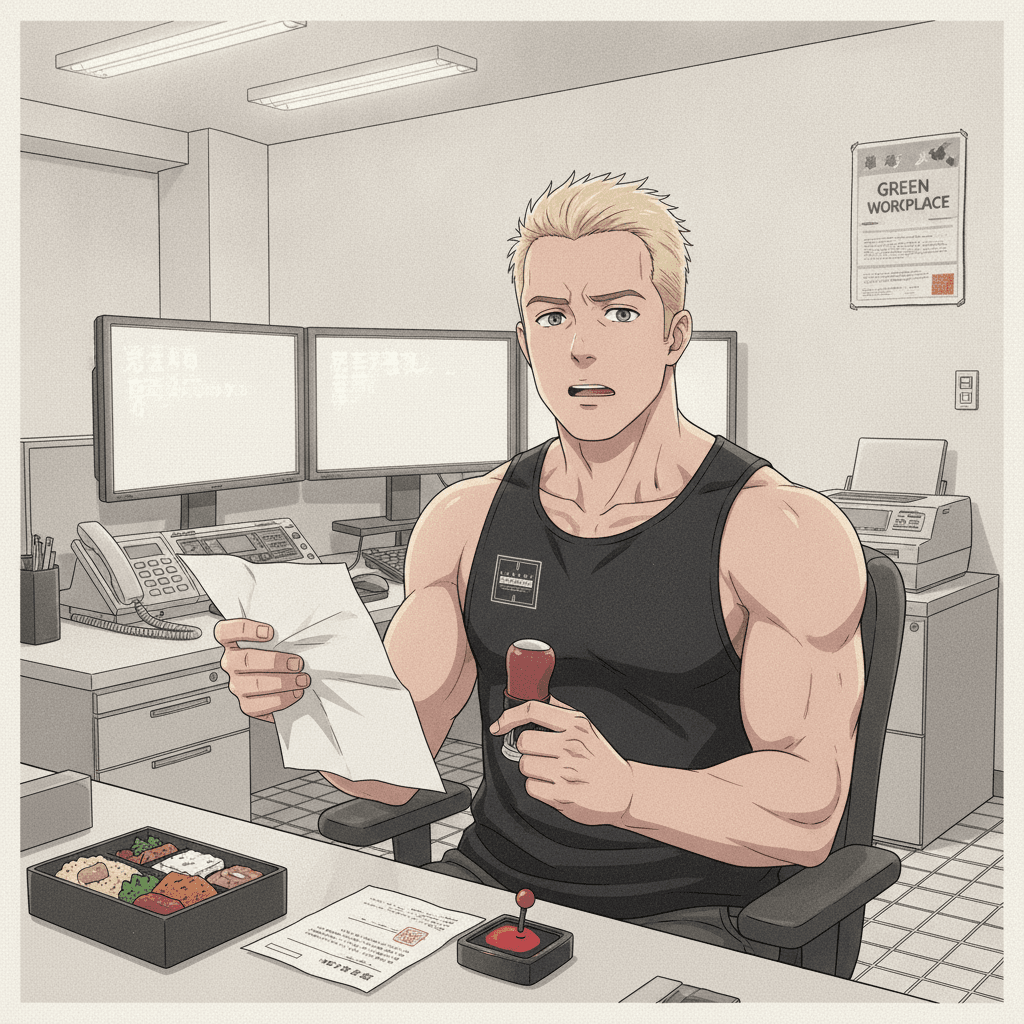
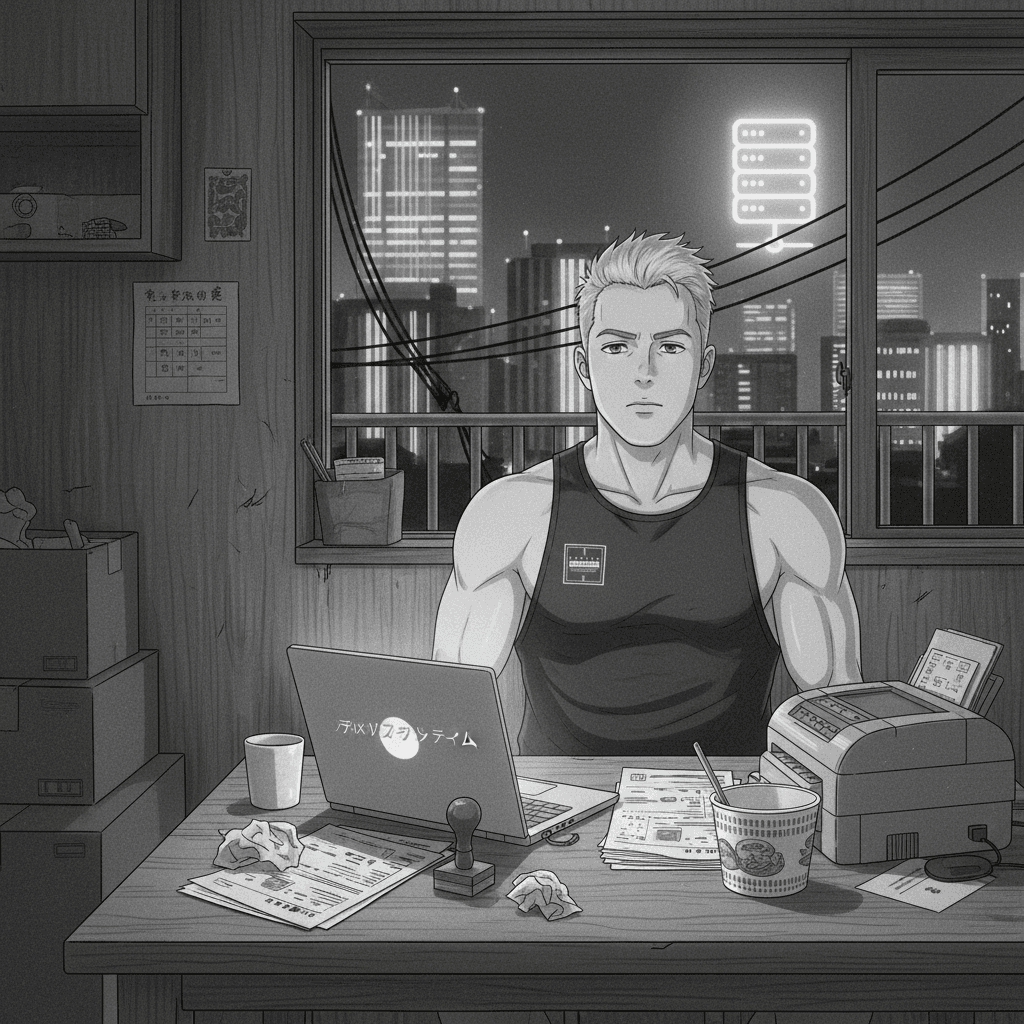
Inside the Japanese paperless office that prints a digital document, stamps it with a hanko, scans it back into a PDF and emails it to the person who sent it. Performed modernity wrapped around an Edo-period workflow.

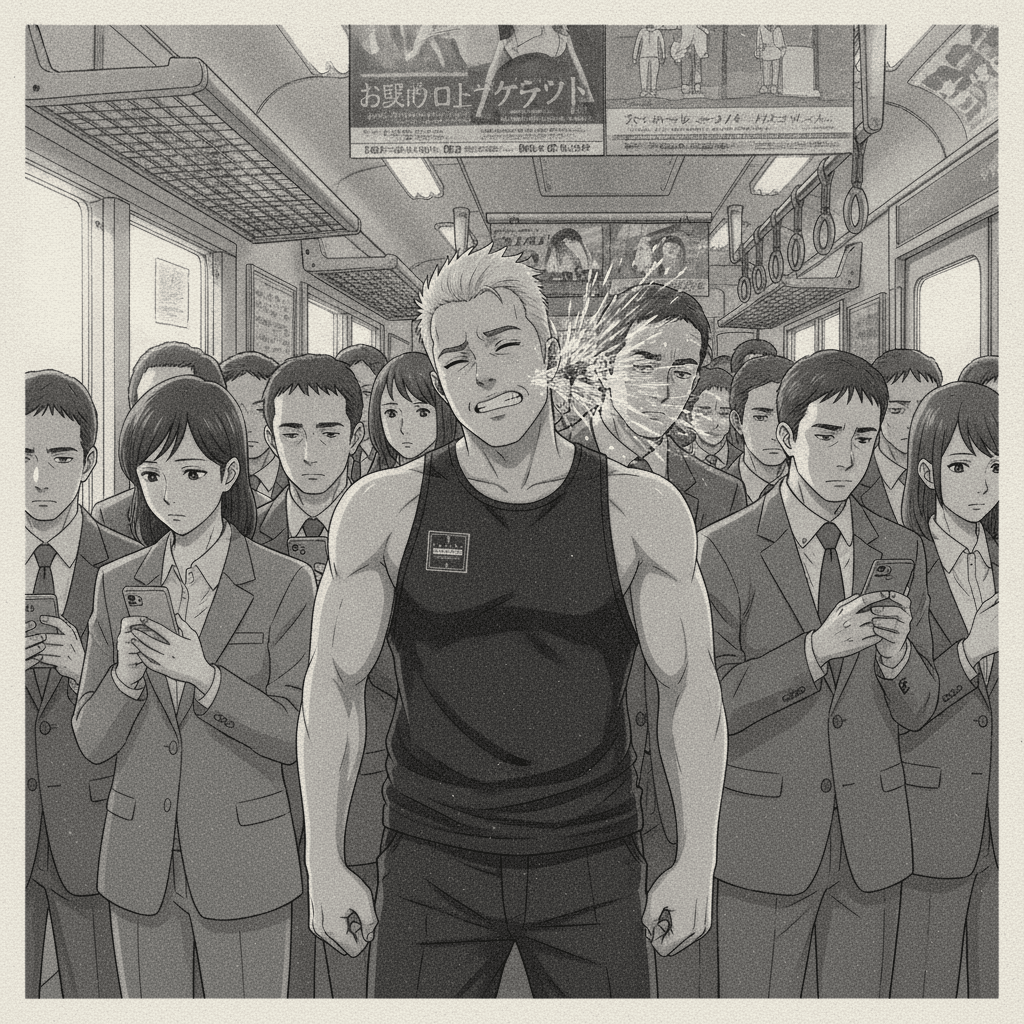
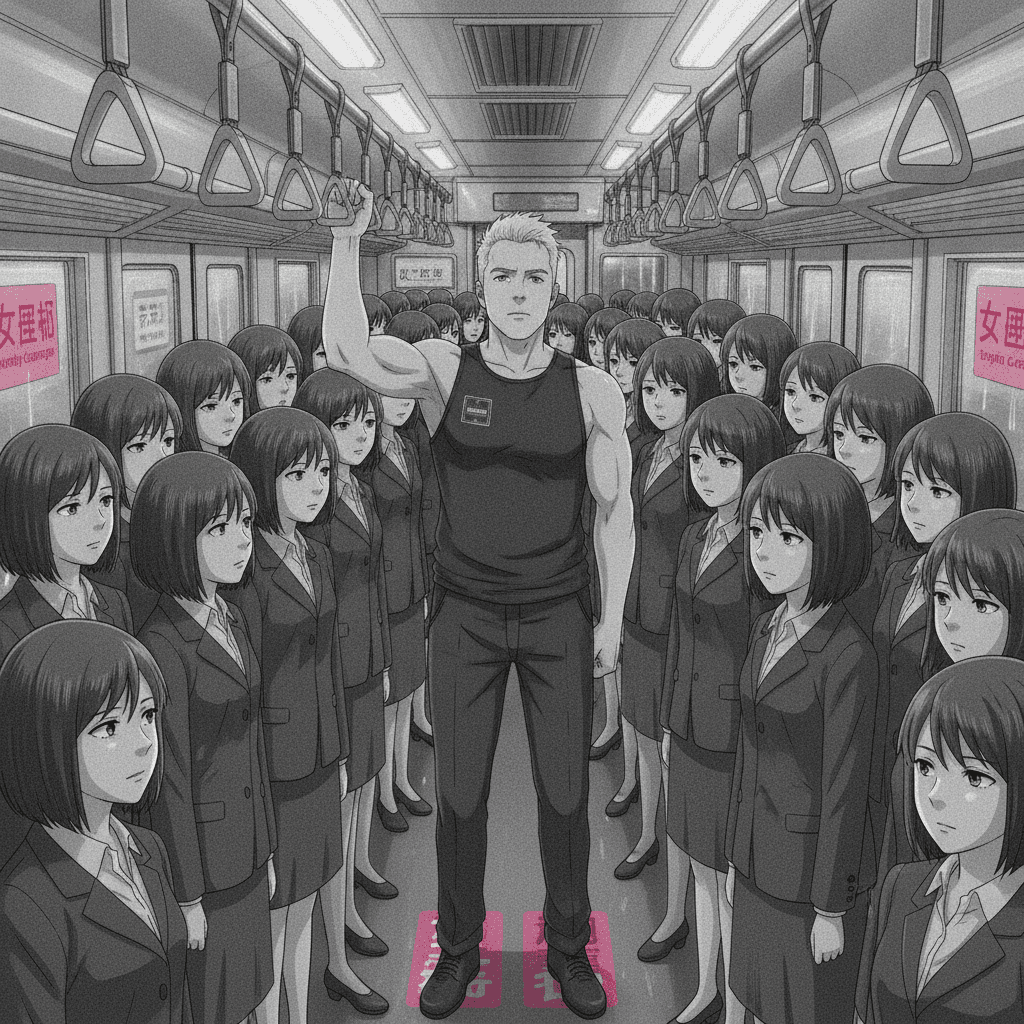
The women-only carriage on the Tokyo morning rush isn't innovation. It's a pastel confession that the groping problem got so bad the official fix was to physically segregate half the population and call it a service.

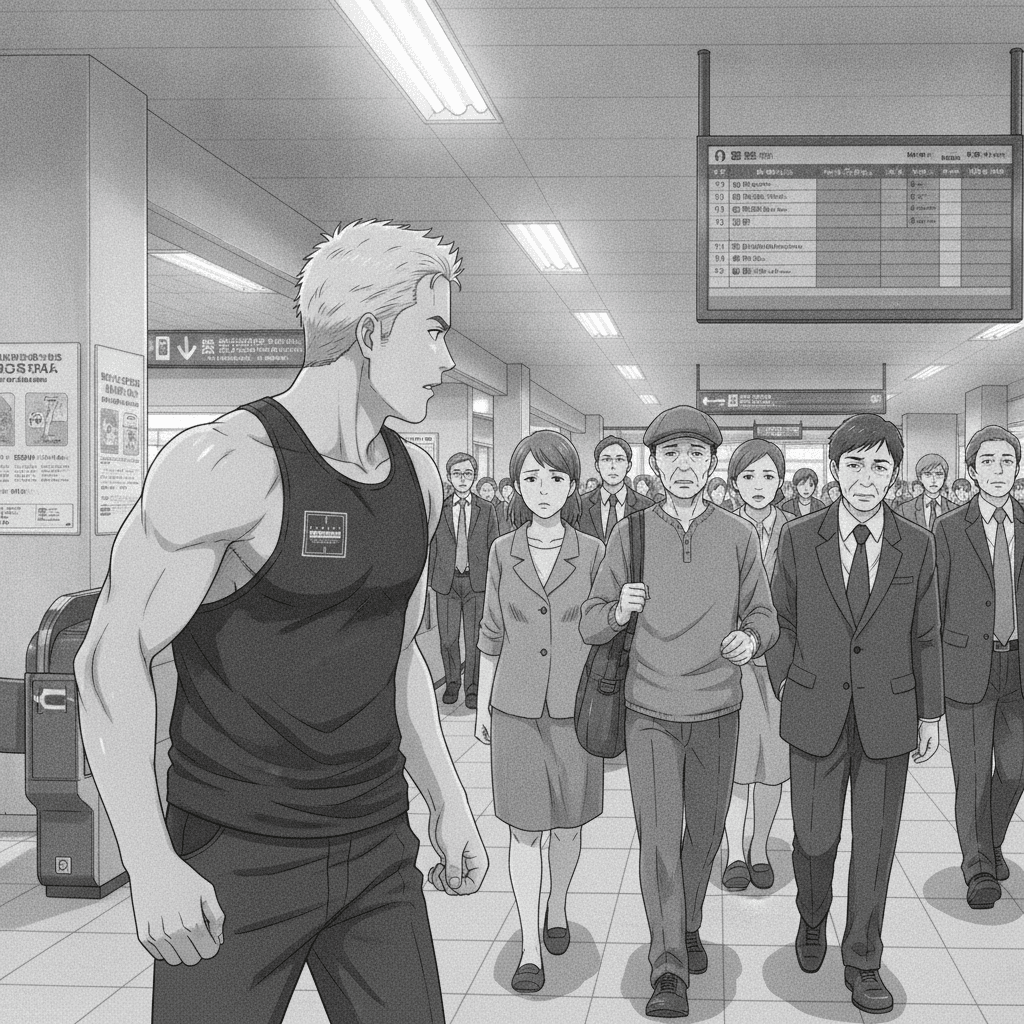
Japanese passive-aggressive tutting is a national discipline performed by old men in stations. Here's what happens when you turn round and ask one of them why he's doing it.

The 2,000-yen note is legal tender printed by a sovereign nation, and yet the Japanese cash economy treats it like a counterfeit handed over by a deranged tourist. A field report on the most polite refusal of your own money you will ever experience.

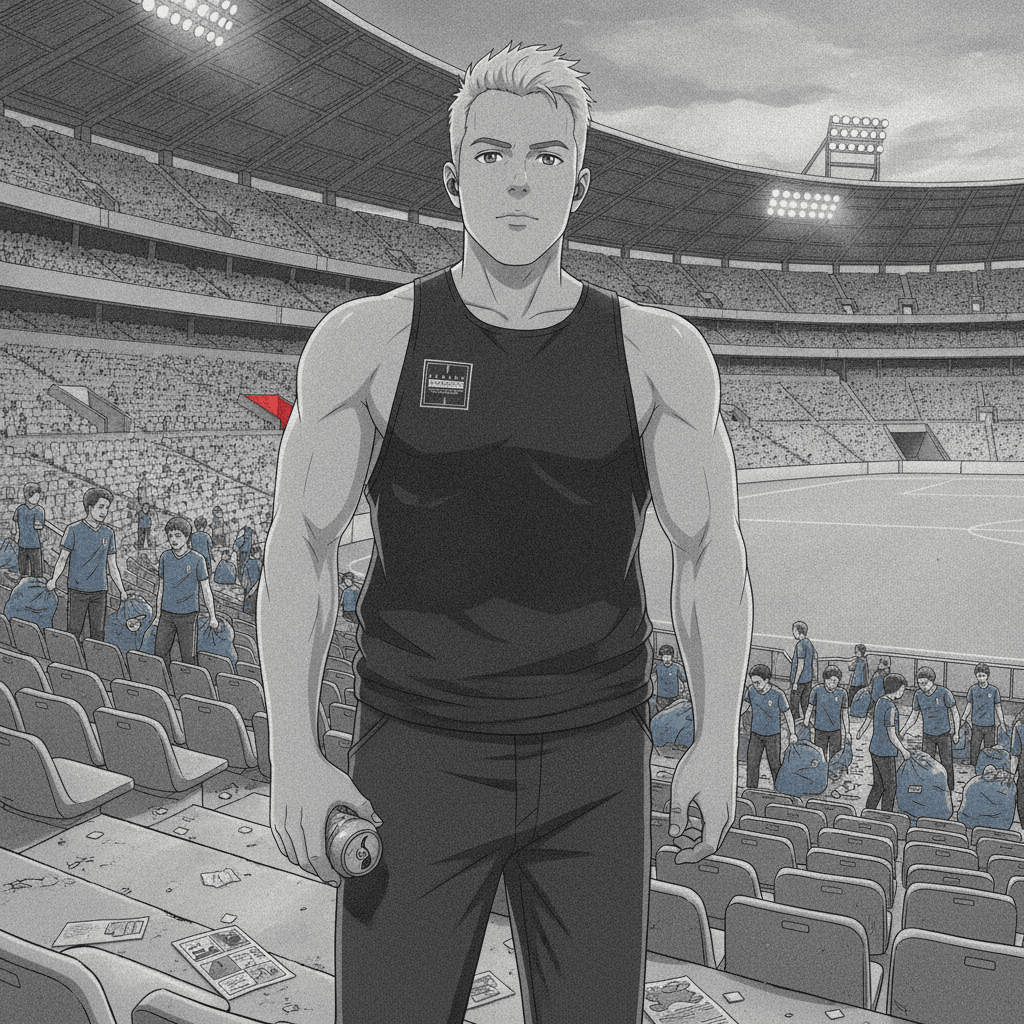
Japan fans cleaning up litter at the World Cup again, and the internet melting down about it again. The Japanese stadium clean-up tradition is a performance, and you absolute mugs keep buying the ticket.

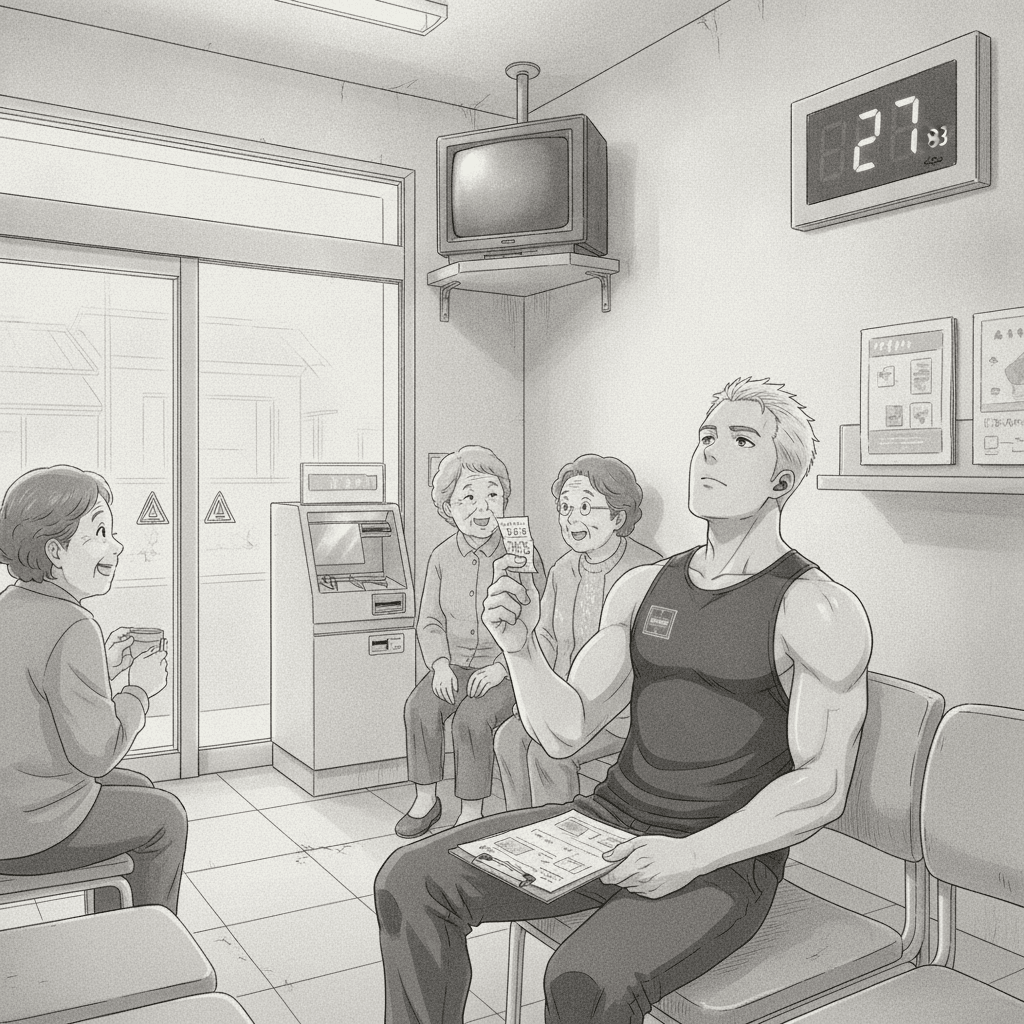
Booking a Japanese doctor's appointment is impossible. Instead you take a paper ticket, lose a morning to the waiting room lottery, and pay across three separate queues to learn you have the cold you described on arrival.

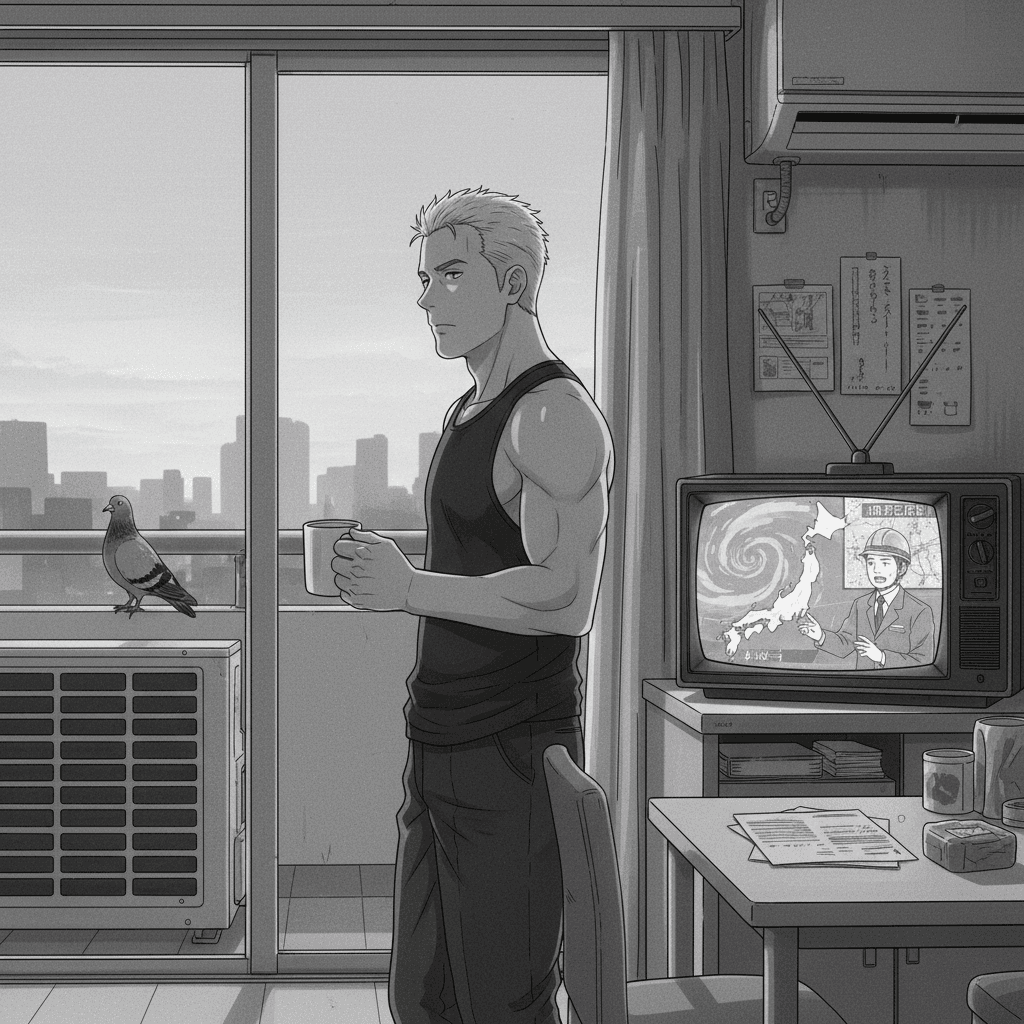
Every typhoon in Japan gets a multi-day media build-up like a national emergency, then arrives in Tokyo as light fucking drizzle. A field report on the country's favourite ritual of collective weather panic.

The white knight of Japan: the foreigner who appears, sword drawn, the instant you say anything factually accurate yet negative about Japan. A field guide to the most insufferable expat archetype going.

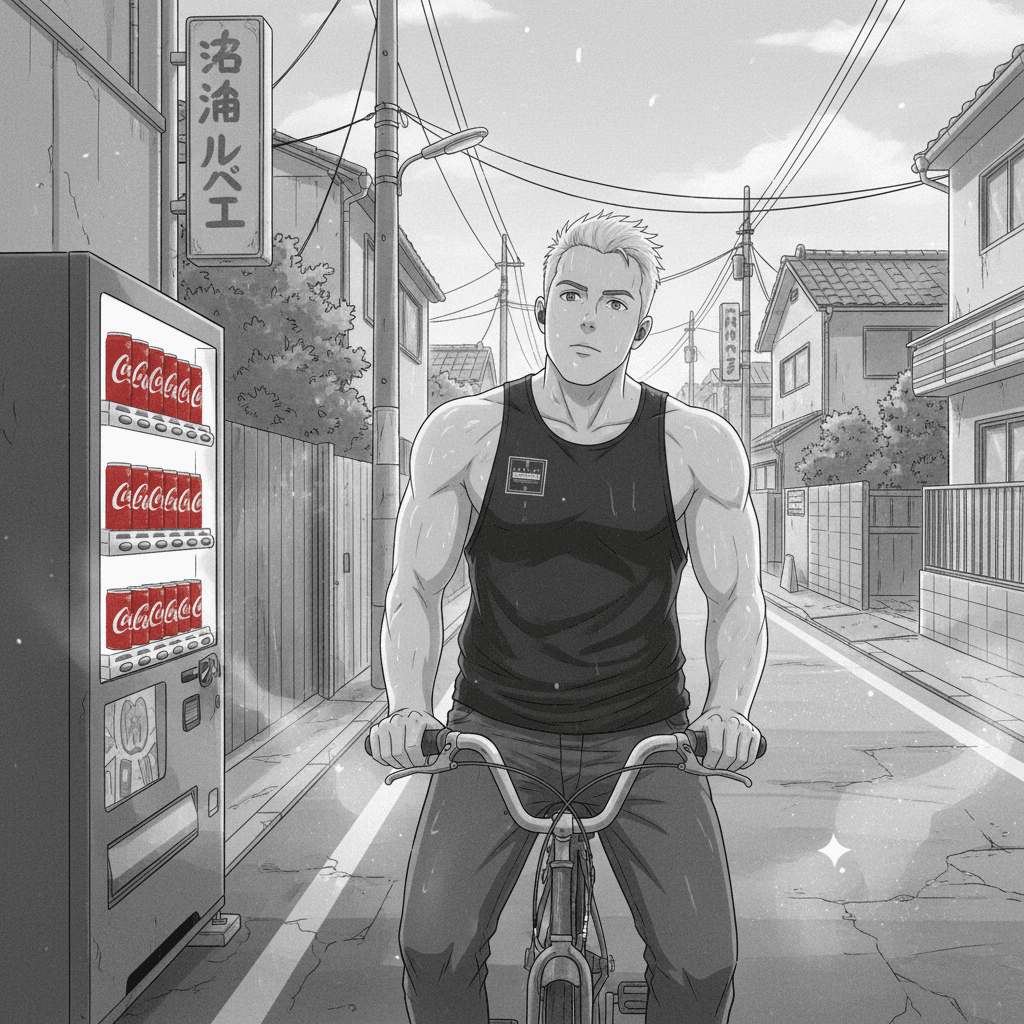
There is exactly one Japanese vending machine near me that sells Dr Pepper. Was. There was exactly one. Now there are four rows of Coke and a hole in my soul the shape of a 500ml can.

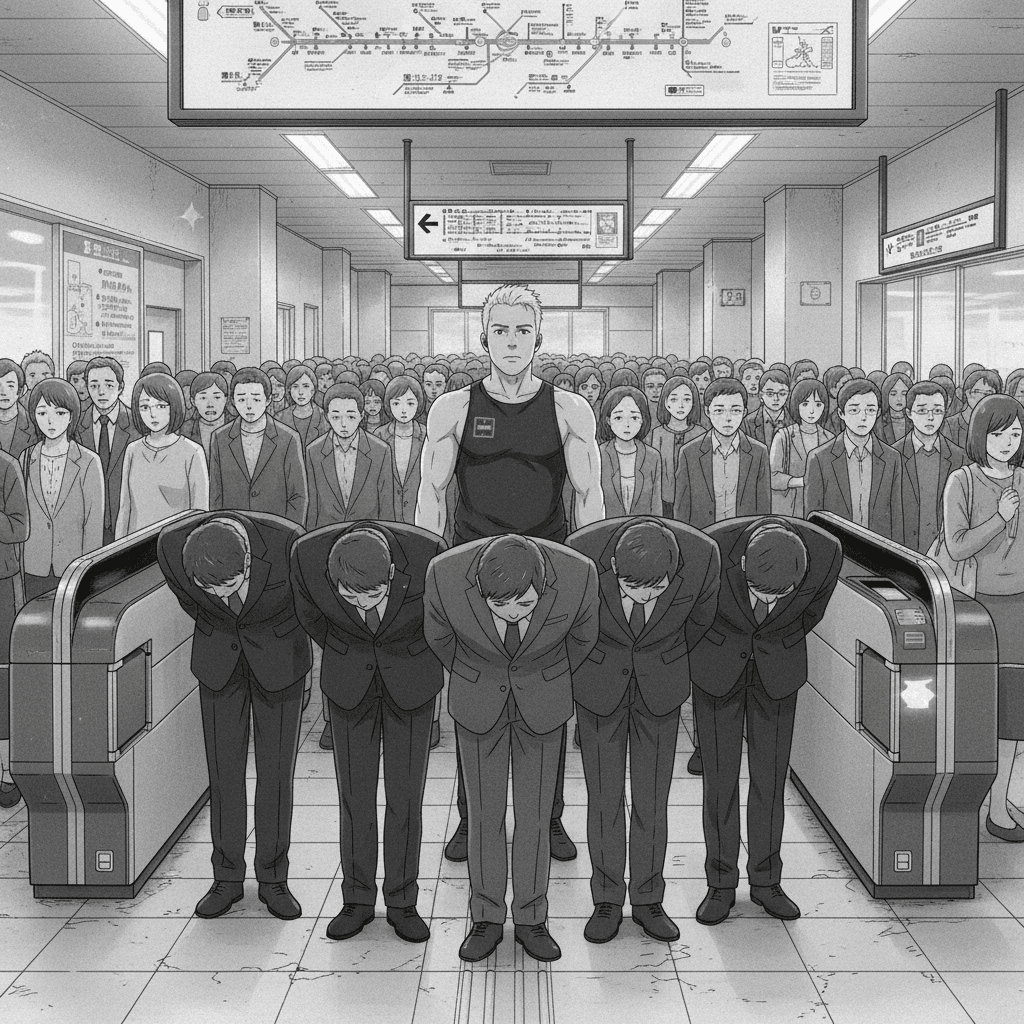
The otsukaresama group bow is a Japanese workplace farewell ritual performed, for reasons known only to God and middle management, directly in front of the only ticket gate. Hundreds of people, one human dam of gratitude.

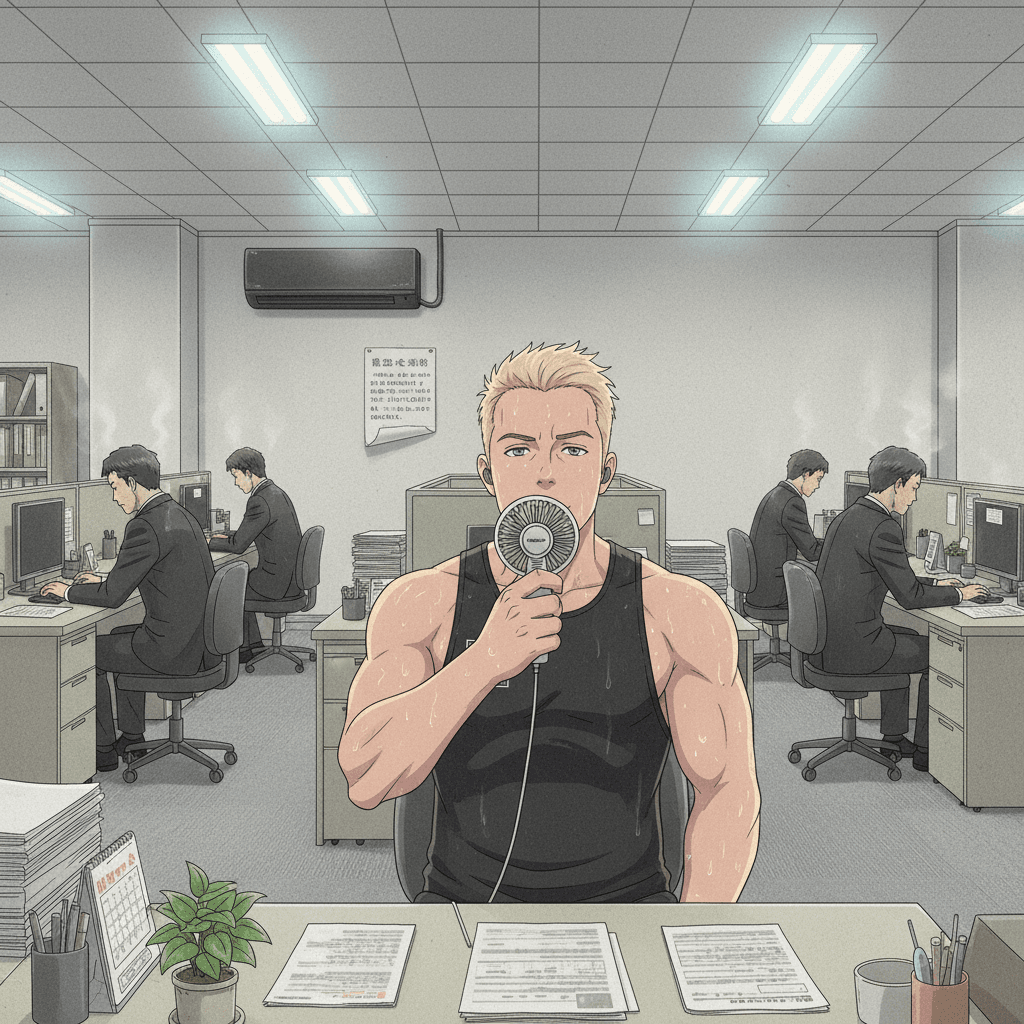
Japanese office air conditioning runs on a calendar, not a thermostat. It is 34 degrees in May, the salarymen are dissolving in their suits, and the cooling season doesn't start until a date some committee invented in 1974.

The English version of Japanese websites is a barebones, 1990s-looking apology built to make sure foreigners learn less and pay more. Welcome to the cheaper, worse internet you were never supposed to find.

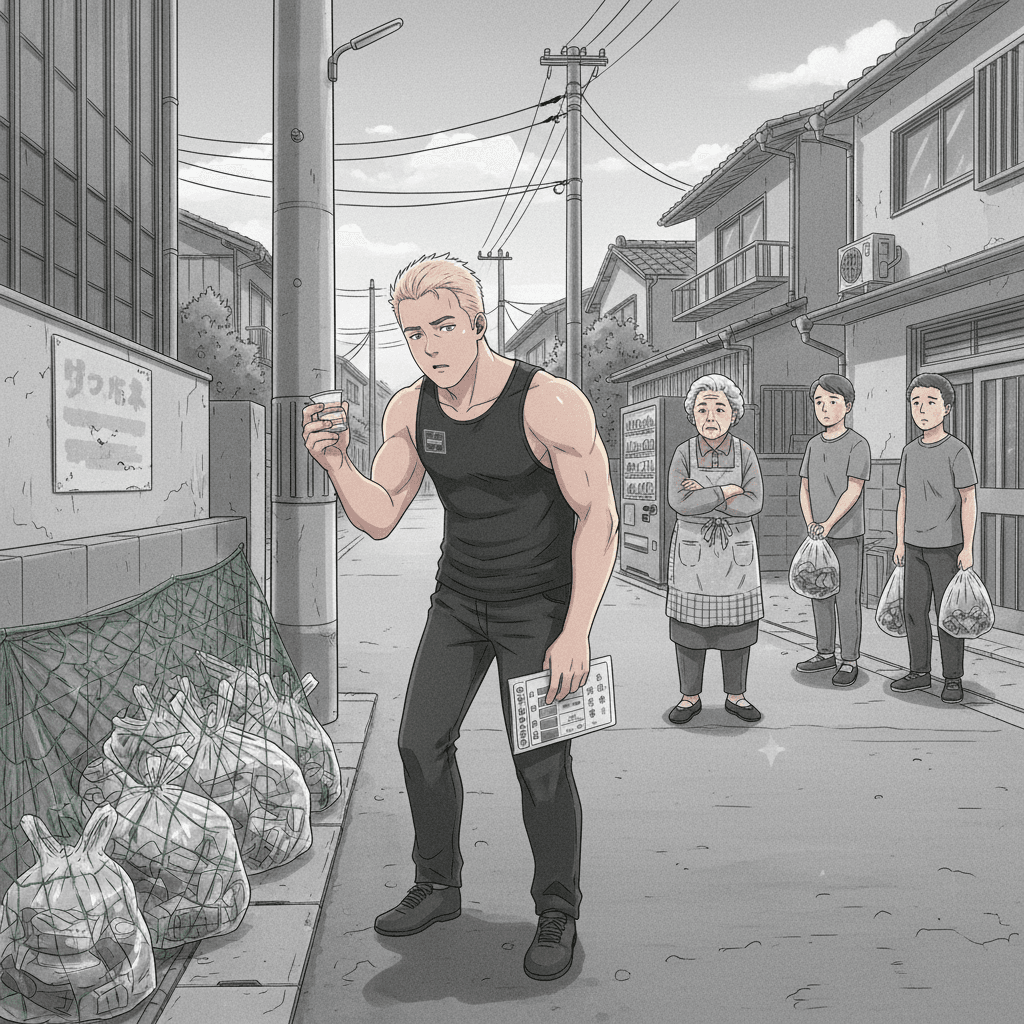
Japanese rubbish sorting is a part-time job you never applied for, complete with a fourteen-page laminated manual and an obaasan stationed to judge your every yoghurt pot. Welcome to the gomi station, where guessing wrong gets you publicly shamed.

Creating an account on a Japanese website is a documented hostage situation. Why does every Japanese sign-up form reject you, demand your name four times, and forbid a strong password? Sit down.

Japan's AI data privacy law revisions quietly scrapped consent for sharing your sensitive personal data, as long as it feeds the great national AI machine. The country that needs a fax to confirm your address now wants your medical records, no permission required.

The broken English conversation in Japan that nobody asked for, performed by the gentleman who has decided your nationality is his business. Speak fluent Japanese back and watch it change absolutely nothing.
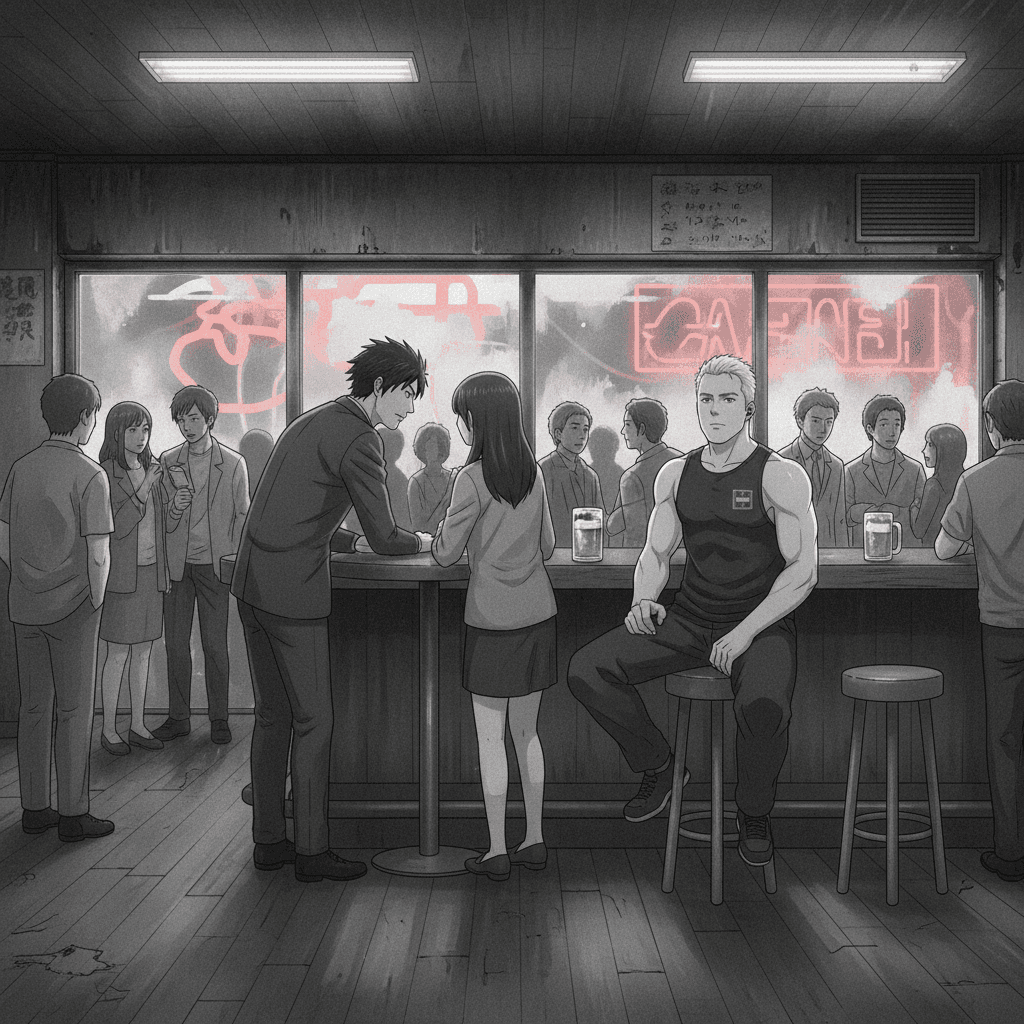
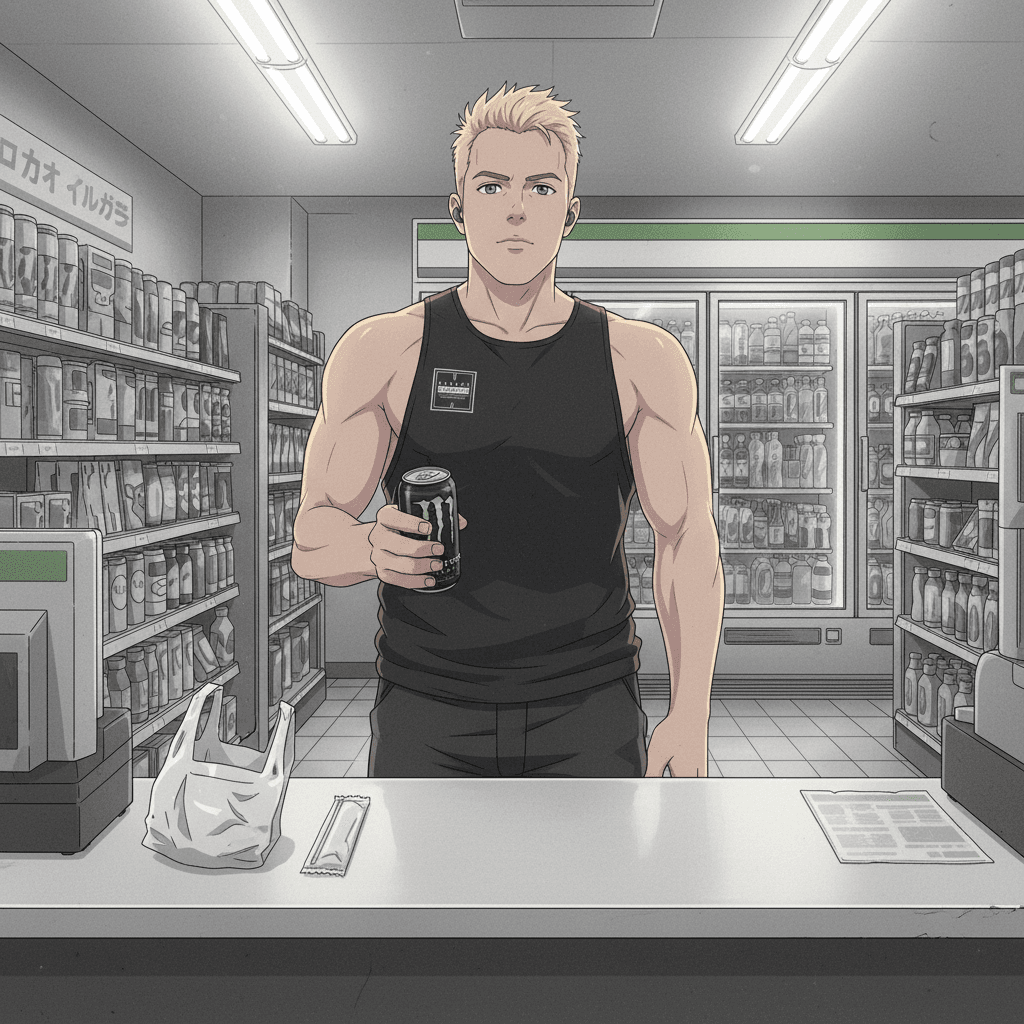
Japanese konbini etiquette has reached the point where a single can of Monster Energy comes with a straw, an oshibori and a small ceremony. I just wanted caffeine, not a tasting menu.

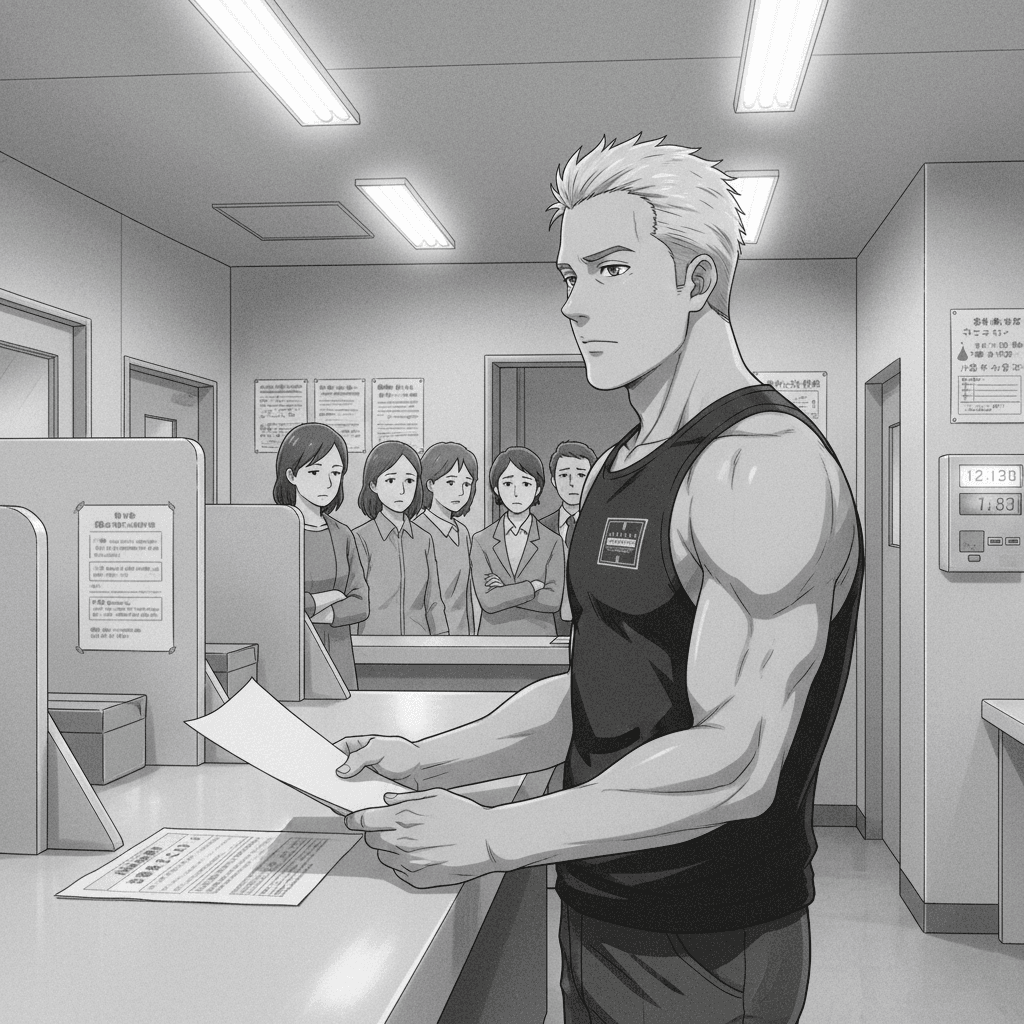
The juuminhyo, Japan's residential certificate, is required for nearly every adult transaction, costs ¥300, and expires almost the moment it's printed. A field report on proving you exist in Japan, three days too late.

Booking a repair appointment in Japan means surrendering an entire working day to a nine-hour arrival window with zero granularity. Here is the slow, polite torture of waiting for a man who will look at your boiler for four minutes.

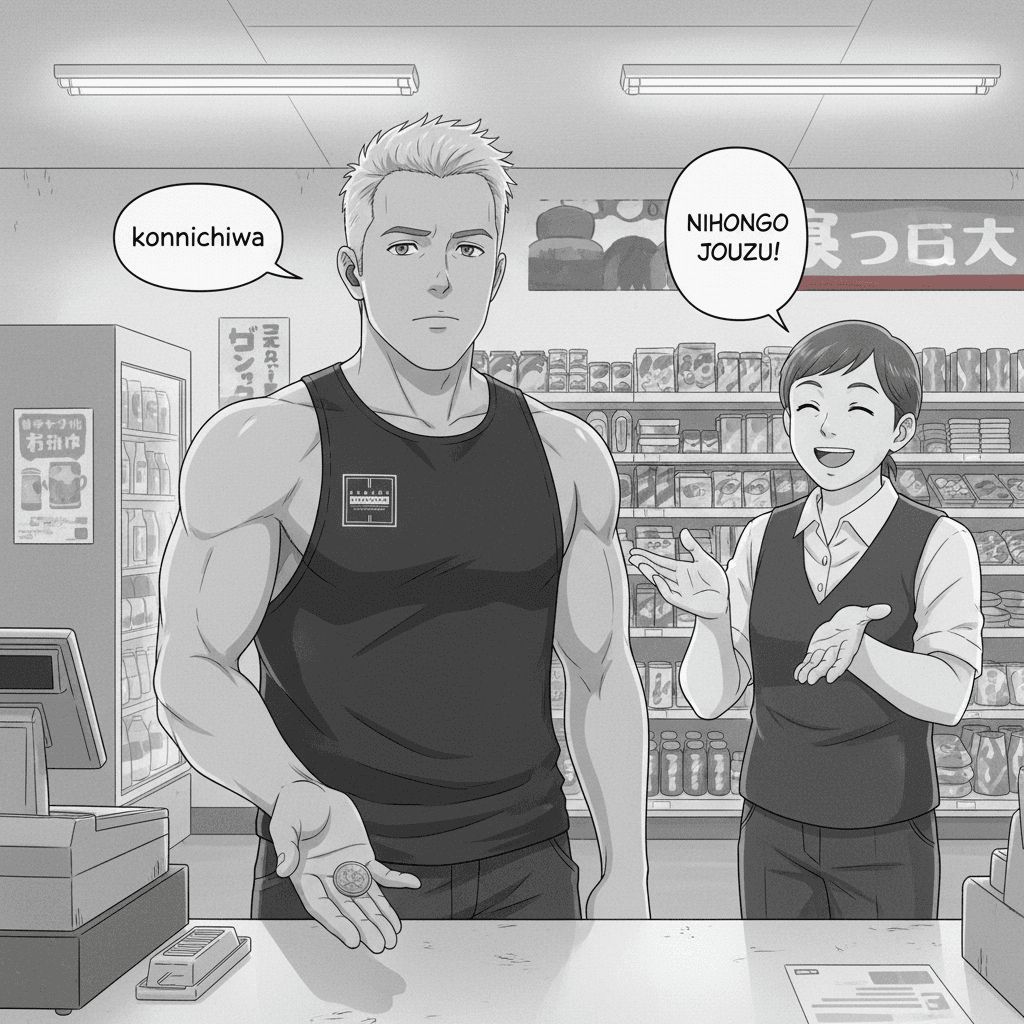
The nihongo jouzu compliment lands the second any foreigner produces a single Japanese sound. Here is what thirteen years of being told your Japanese is very good after saying 'konnichiwa' actually does to a person.

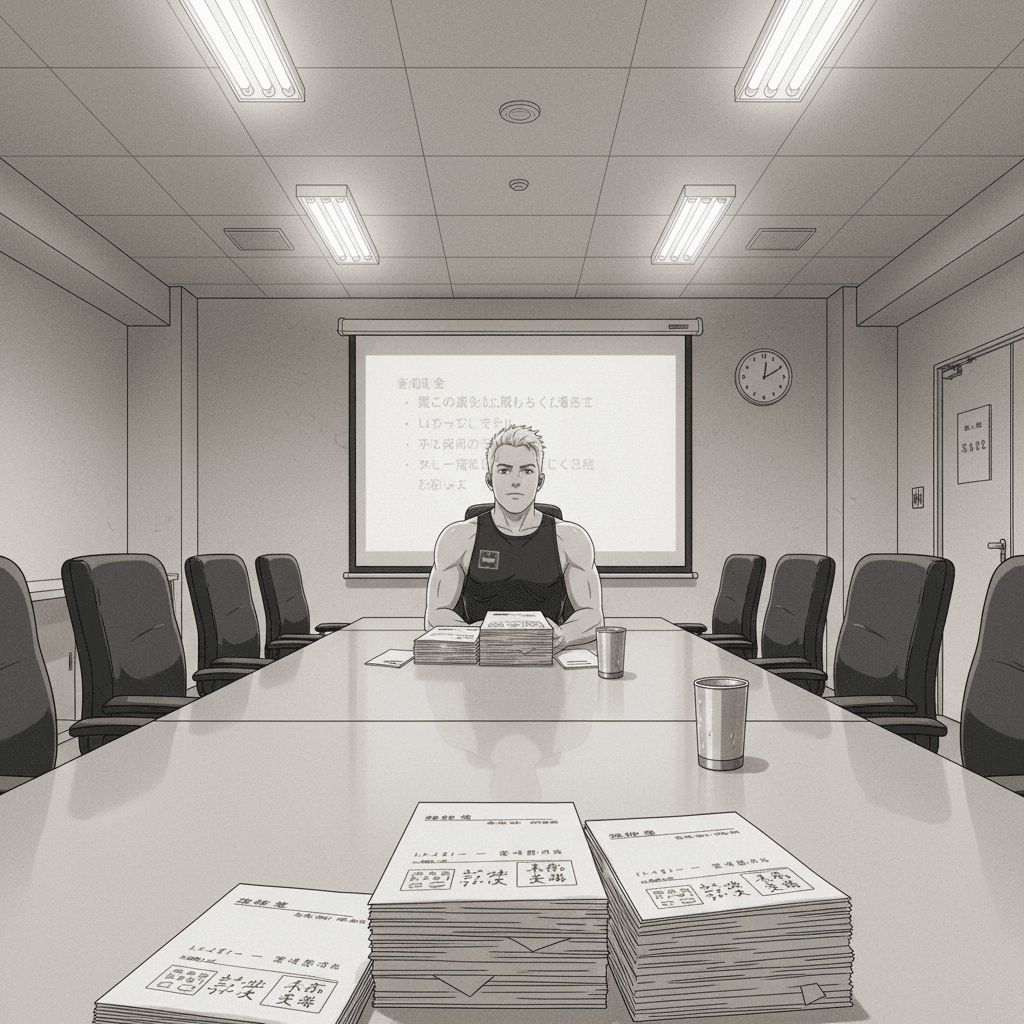
A forensic autopsy of Japanese corporate meeting culture, the kaigi where no decision is ever made, the ringi that circulates for three weeks, and the corridor whisper that does all the actual work.

You're having a perfectly decent conversation with a Japanese woman on a night out, and then he appears. The Japanese cockblock is real, it is systematic, and it deserves a proper autopsy.

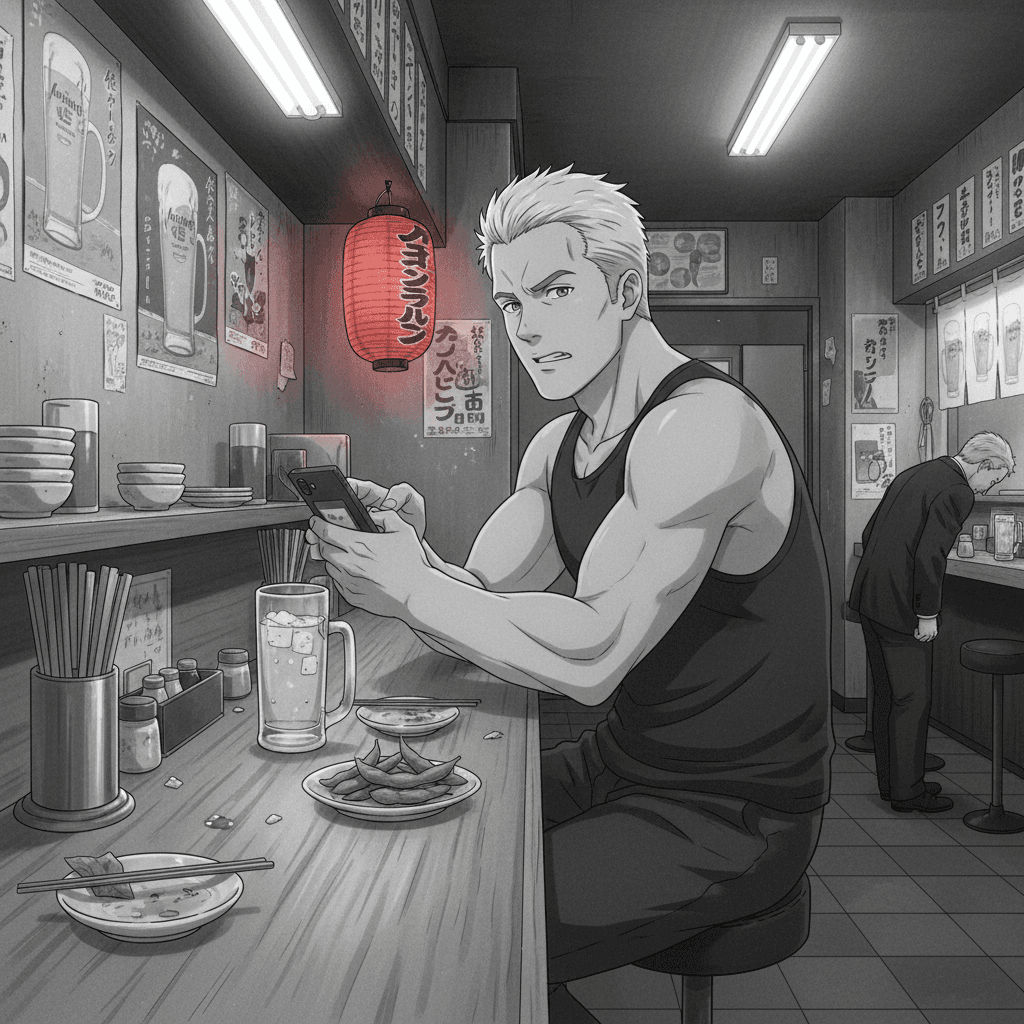
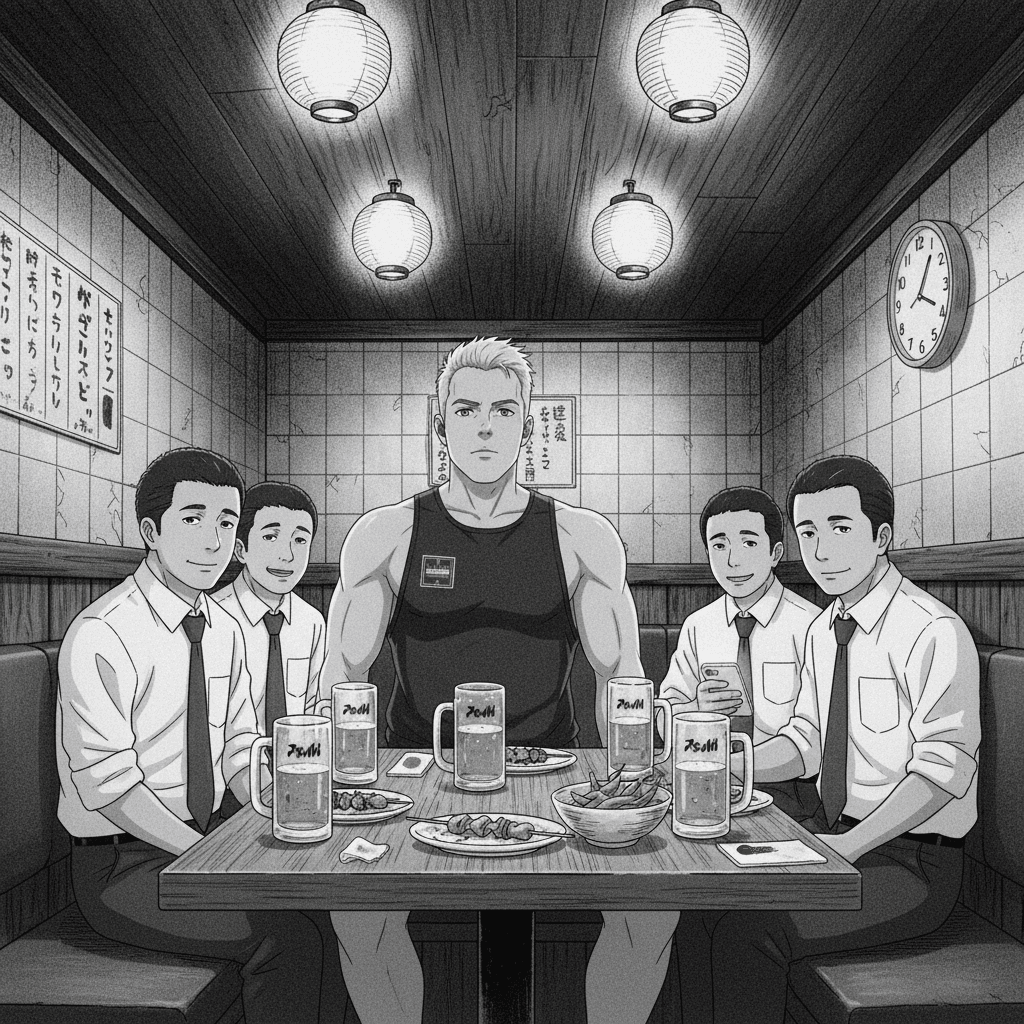
The after-work drinking party in Japan is technically voluntary and functionally a hostage situation. It is Tuesday night, it is nearly eleven, and nobody is moving because the section chief still has beer in his glass.
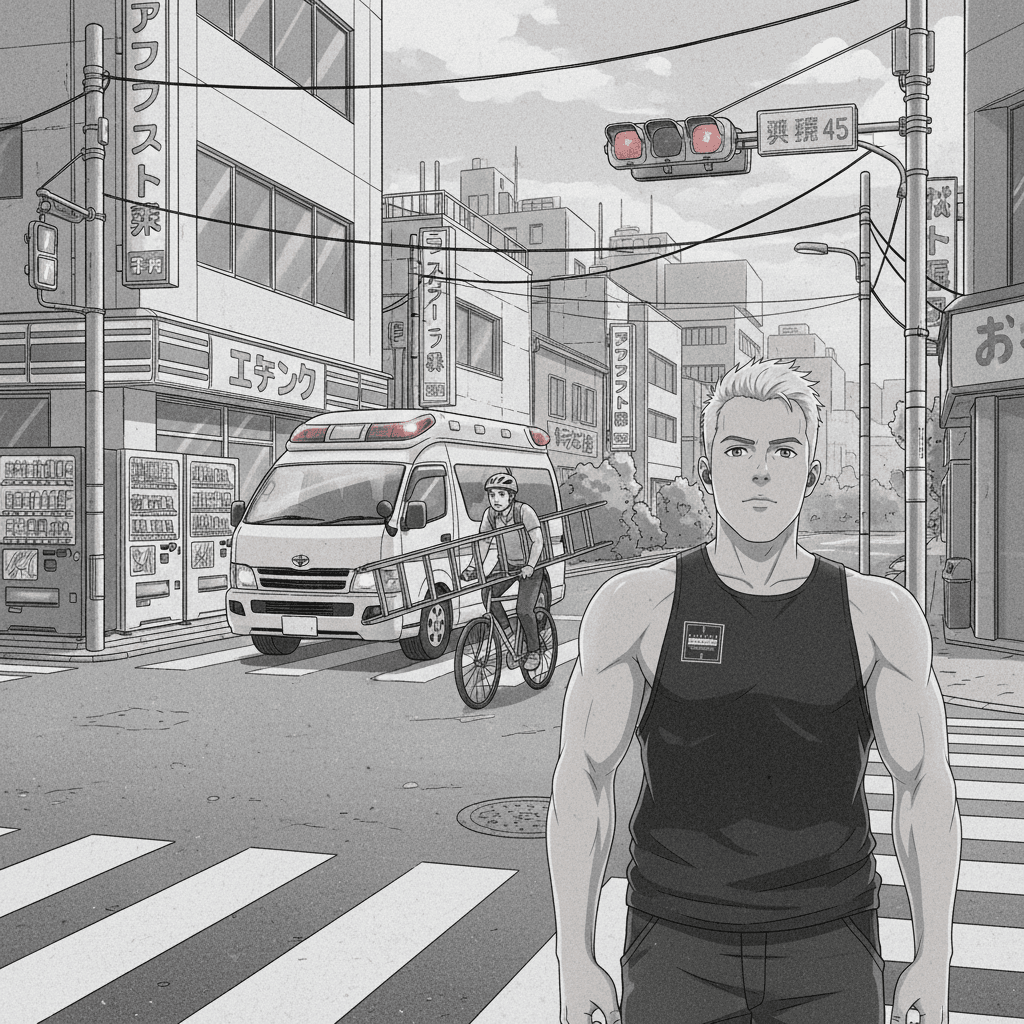
Japanese ambulance response times are the stuff of bureaucratic legend — and not in a good way. When the emergency services drive slower than the average granny on a mamachari, you start to wonder who exactly is in a hurry here.

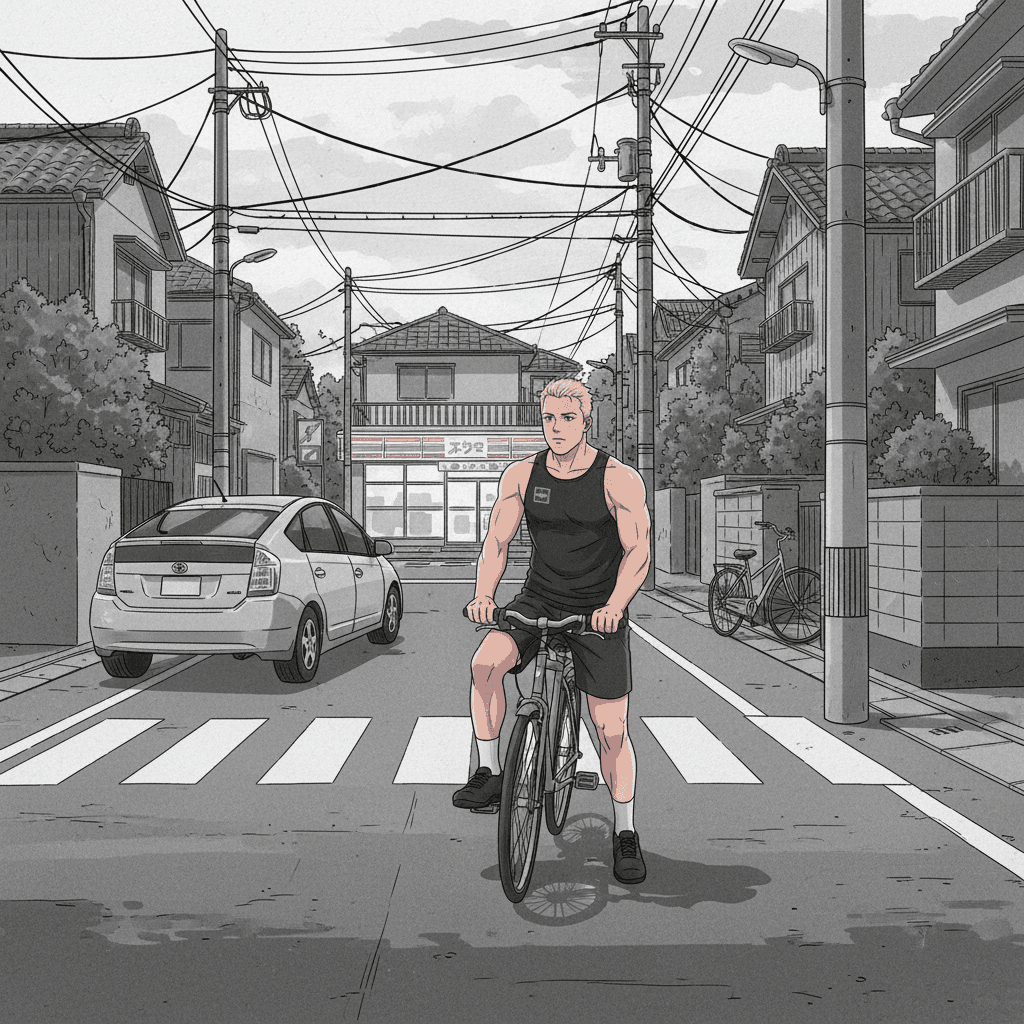
Ten years of living here and I've made my peace with a lot. The queuing theatre. The plastic bags. The fax machines. But the indicator — the humble, legally mandated, two-second flick of the wrist — apparently remains optional.