
SHOUGANAI: THE MAGIC WORD FOR PEOPLE WHO CAN'T BE ARSED
The Japanese shouganai meaning is supposed to be a graceful acceptance of the unchangeable. In practice it's the most elegant way ever invented to say 'I can't be arsed and you can't make me.'

The Japanese shouganai meaning is supposed to be a graceful acceptance of the unchangeable. In practice it's the most elegant way ever invented to say 'I can't be arsed and you can't make me.'

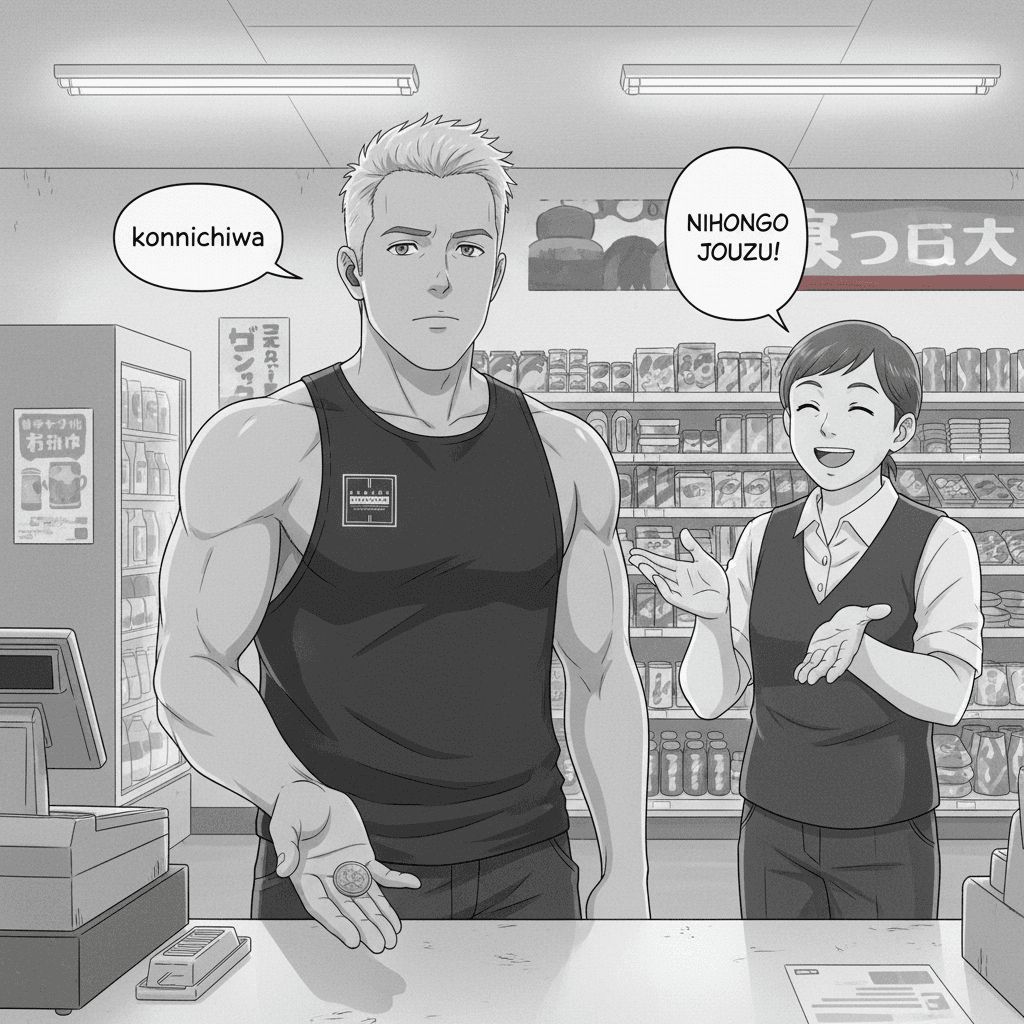
The nihongo jouzu compliment lands the second any foreigner produces a single Japanese sound. Here is what thirteen years of being told your Japanese is very good after saying 'konnichiwa' actually does to a person.

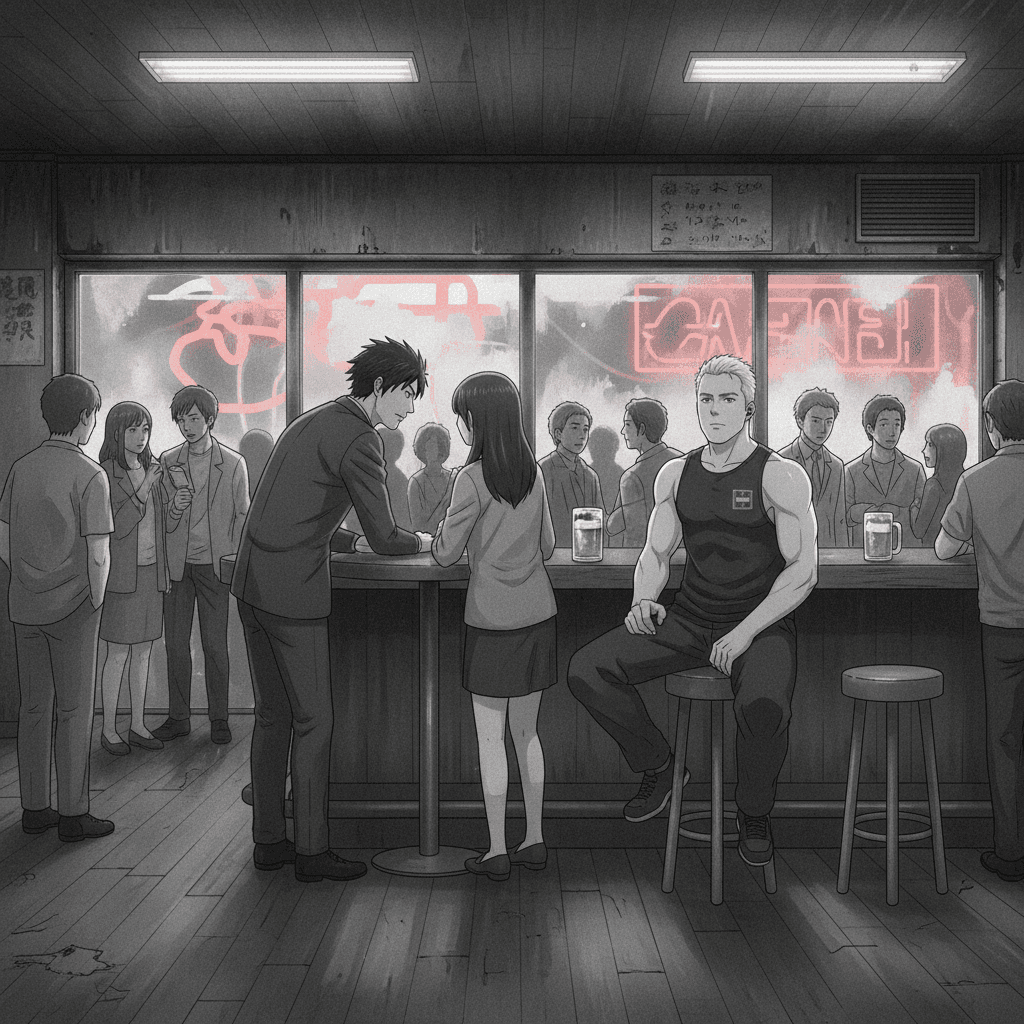
You're having a perfectly decent conversation with a Japanese woman on a night out, and then he appears. The Japanese cockblock is real, it is systematic, and it deserves a proper autopsy.

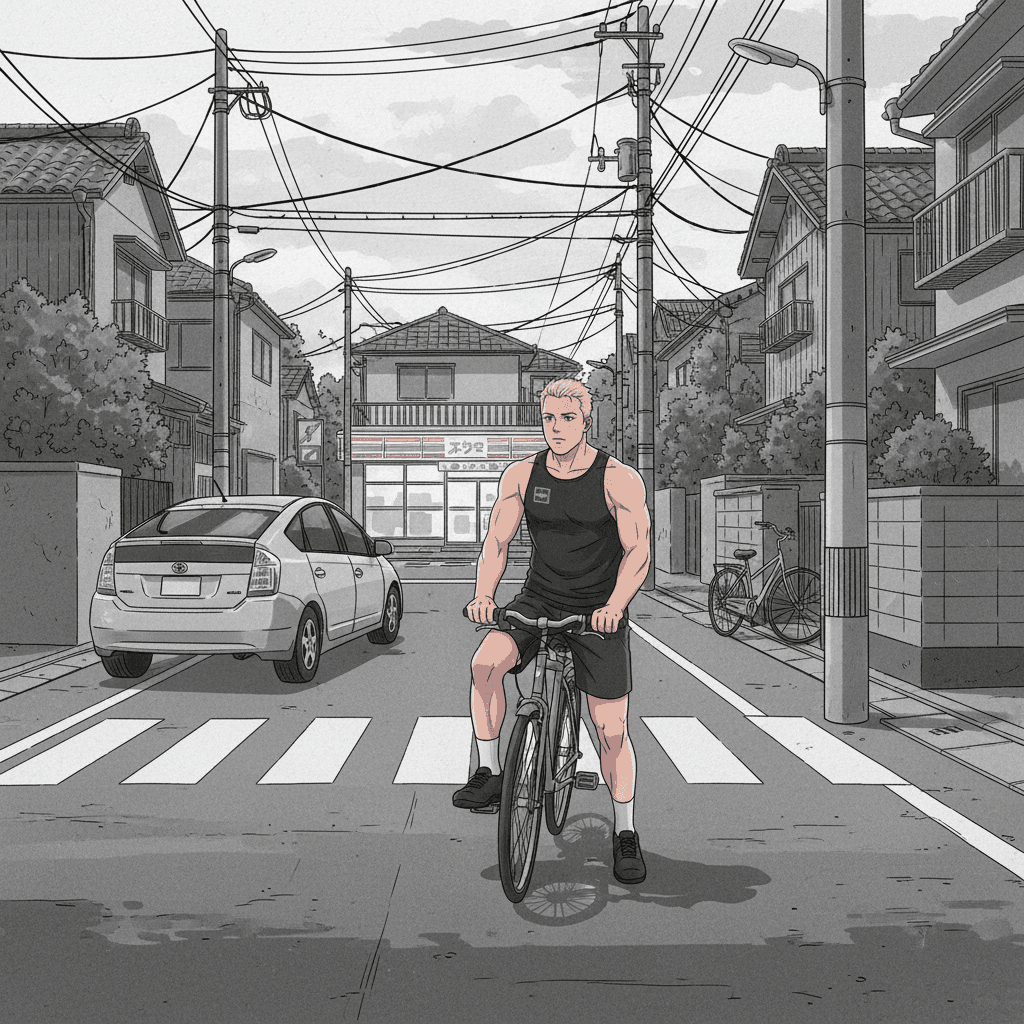
Ten years of living here and I've made my peace with a lot. The queuing theatre. The plastic bags. The fax machines. But the indicator — the humble, legally mandated, two-second flick of the wrist — apparently remains optional.

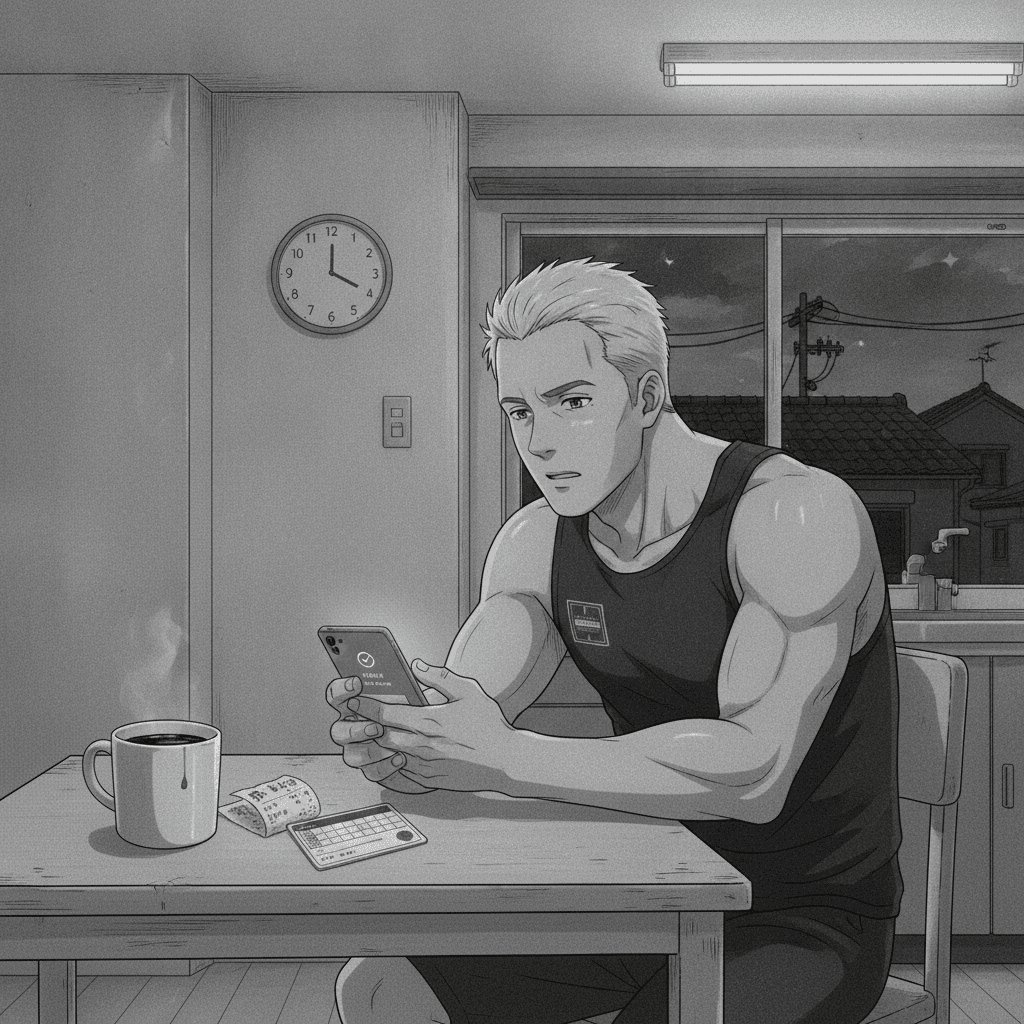
A Japanese bank transfer in 2026 clears at the approximate speed of continental drift, gated behind an app that closes for the night like a village shop. Here is why sending money in Japan is a documented act of institutional cruelty.

Rajio taiso, the nationwide morning radio calisthenics ritual, is not exercise. It is a compulsory group performance of belonging, broadcast at dawn to people who would rather be asleep.

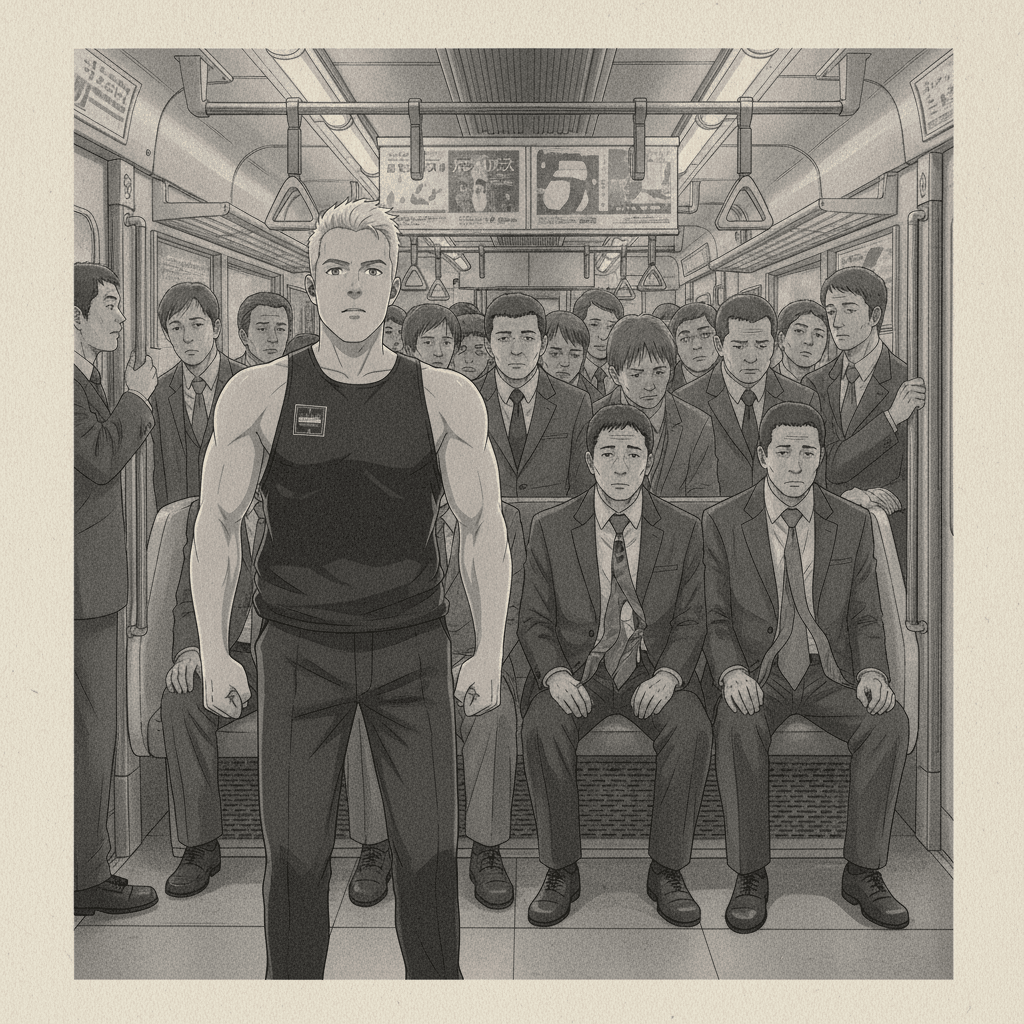
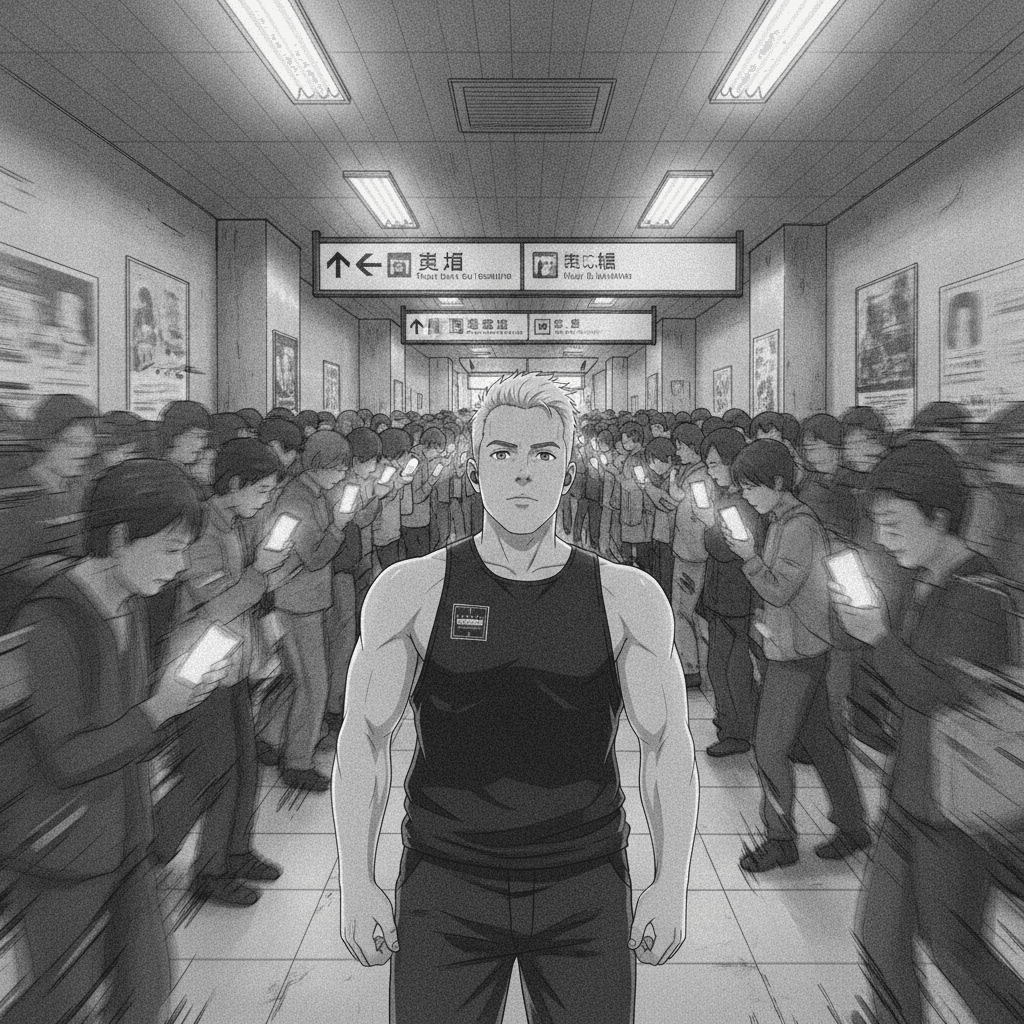
In a country obsessed with silence and reading the room, the Japanese salaryman sneeze detonates like an artillery shell on the 7:42 Yamanote. Nobody flinches. Nobody comments. It is the loudest permitted sound in the quietest culture on Earth.

Thirteen years of collecting LINE accounts from strangers who never message again. A field report on the great tatemae friendship performance, and why I've finally stopped pretending.
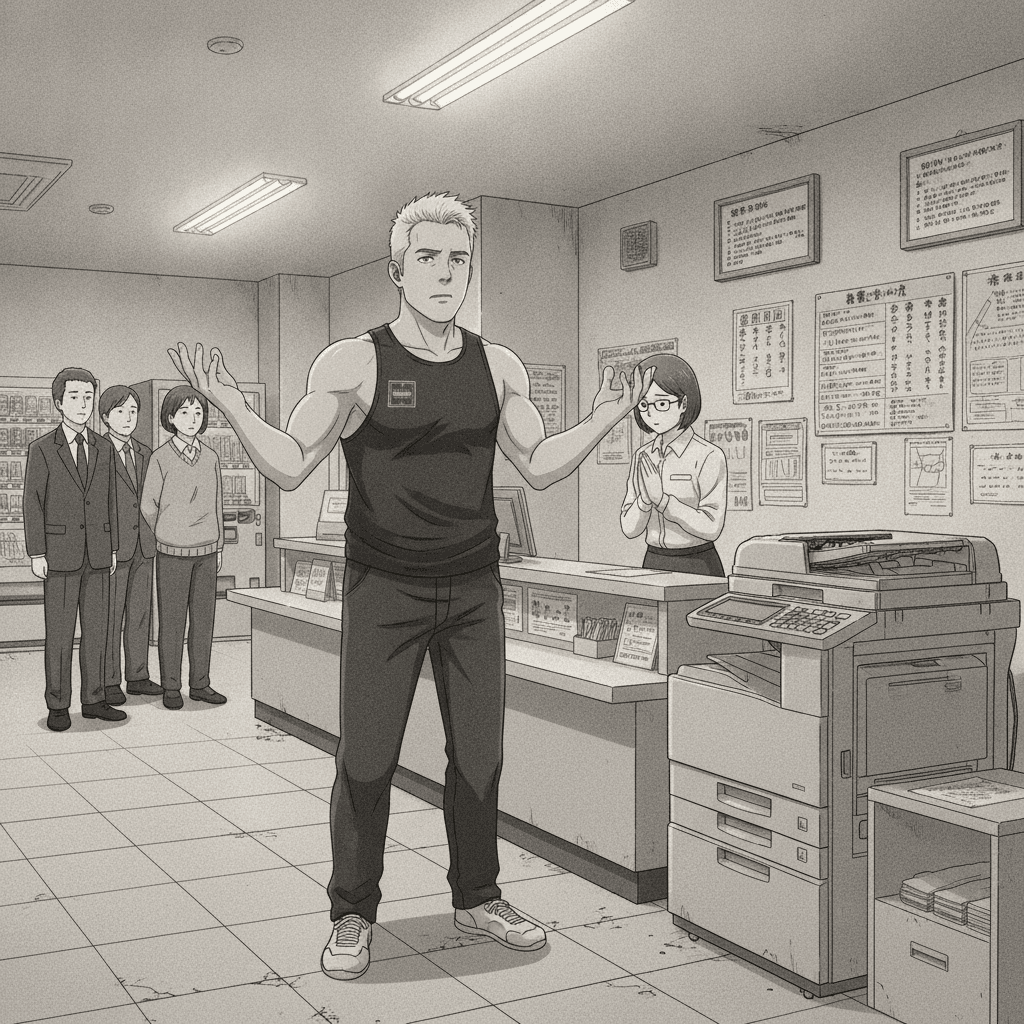
Half gaijin, half samurai, all out of patience. The fury is the bill the love has run up. Send us your worst day at the ward office. Read the Manifesto →