FIVE STARS OF PRAISE, TWO STARS OF SPITE: THE JAPANESE REVIEW
Japanese online reviews are a masterclass in tatemae: glowing paragraphs of praise attached to a savage 2/5 rating. Welcome to the most passive-aggressive scoring system on Earth.
 By The Angry Gaijin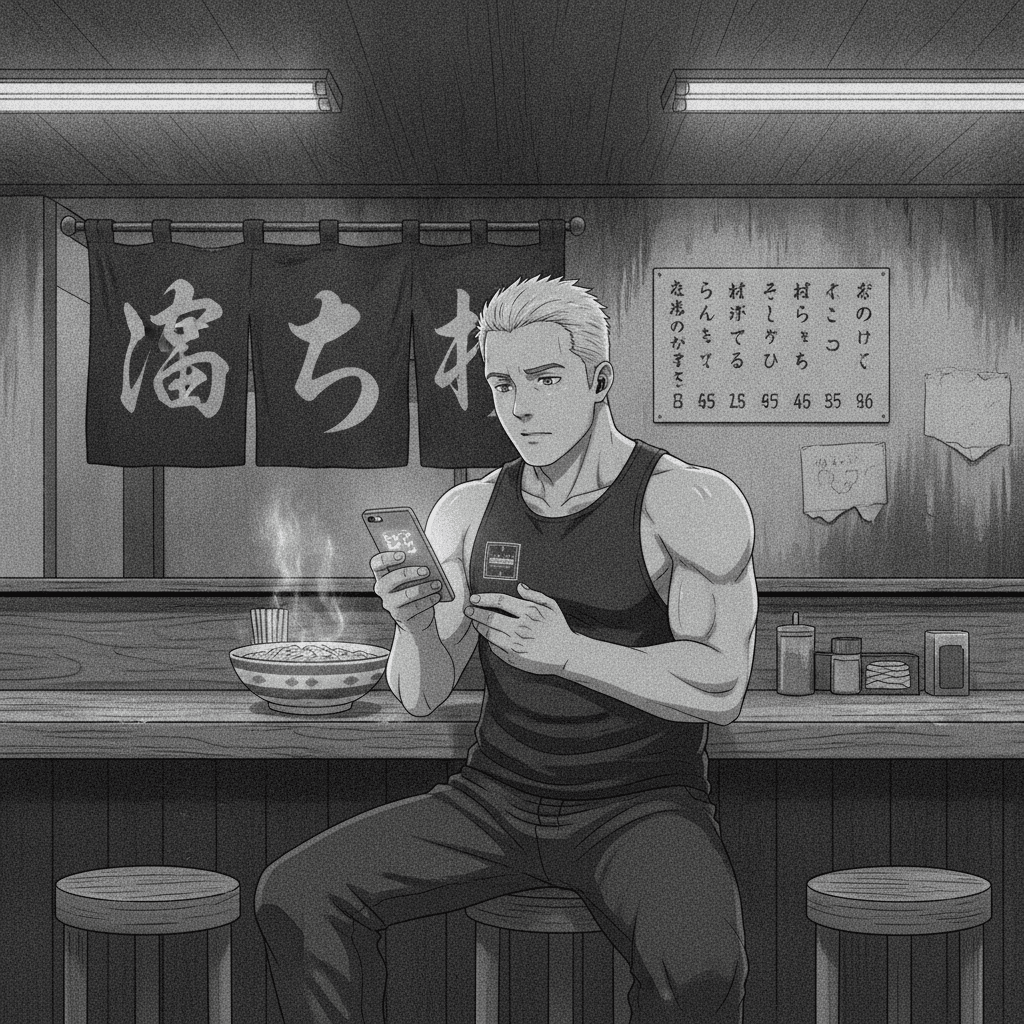
There is a ramen shop near my flat with a review that reads, and I am translating faithfully here, "The broth was rich and beautifully balanced, the staff were kind, the atmosphere was warm and I will treasure this meal forever." Two stars. Out of five. This is not an aberration. This is the Japanese review system working exactly as intended, and it is the single most deranged expression of tatemae I have encountered in over a decade of living inside this beautifully laminated contradiction.
Let me explain the mechanism, because it took me years to stop screaming at my phone. In most of the world, the words and the number agree. A five-star review says lovely things. A one-star review calls the manager a knobhead who spat in the soup. There is a fucking correlation. Cause, effect, the basic Newtonian physics of human feedback. Here? No. Here the paragraph is tatemae, the polite public face, the thing you say out loud so nobody loses face in the group. And the number is honne, the actual truth, smuggled in through the back door where no one has to be seen carrying it.
So you get the star rating doing all the emotional labour the words are contractually forbidden from touching. The compliment is theatre. The two stars are the knife.
Why Japanese reviews say one thing and rate another
Once you understand this, every Japanese review becomes a bloody hostage note. "The service was very attentive." One star. That does not mean the service was attentive. That means a member of staff hovered over this person's shoulder for forty minutes like a beige ghost, and rather than write "leave me alone you absolute muppets," they smiled through gritted teeth, typed a compliment, and then detonated the score. The number is where the honesty goes to hide. It is passive aggression rendered as data.
The genuinely maddening part is that everyone here can read it. A Japanese customer sees "delicious food, warm welcome, 2/5" and instantly understands that the restaurant is a war crime with a noren curtain. Meanwhile I, the mug, read the words, get excited, and book a table at a place that its own patrons have quietly convicted of crimes against humanity. I turned up. It was dreadful. I should have counted the 2 stars.
The worst offenders are the four-star reviews, which in this country function as a devastating insult. Four out of five is not "very good" here. Four out of five is "I have significant reservations I am too well-mannered to itemise, so I am docking one star and letting you work out which one of your many failures I mean." A three is a public execution. A three-star review with a kind paragraph attached is the single most terrifying sentence a business can receive, and everyone involved knows it except me and the other tossers with a residence card and no cultural literacy.
The polite scoring of a nation that cannot say no
Here is what does my head in. This is a country that has industrialised the inability to say a straight negative thing to another human's face. Nobody will tell you your idea is shite in a meeting. Nobody will tell you the flat is overpriced. Nobody at the ward office will tell you the form is wrong until visit three. And so all of that suppressed, backed-up, decades-deep honesty has to go somewhere, and where it goes is a fucking star rating on a noodle app. That is the pressure valve for an entire nation's unspoken contempt. Two stars. "Lovely."
It is, in its own way, magnificent. A society that has engineered every social interaction to avoid conflict, that will apologise to a bench before sitting on it, has quietly agreed that the numbers next to the compliments are where you're allowed to be a vicious honest bastard. The words lie so the number can tell the truth. For fuck's sake. It is the most efficient thing this country does and it is buried in the metadata of a review for a soba shop.
I now read every Japanese review backwards. Skip the paragraph. It is a decoy, a shower of pleasantries designed to keep the peace. Go straight to the number, which is the only bit not wearing a mask. Five stars and one line of praise: genuinely good. Five paragraphs of praise and two stars: run, you absolute berk, run for your life.
The medium is polite. The score is honne. And somewhere out there is a ramen master being told his broth is treasured, forever, by someone who gave him two stars and meant every one of them.
“The paragraph is a decoy. The two stars are the knife. That is the most honest thing this country does, and it's buried in the metadata of a soba shop.”
Nobody's raged yet. Set the tone.
You Survived This Article.
Congratulations. You are now contractually obligated to forward it to one other foreign resident who is having a worse week than you.
More Rage Where That Came From
All Rants →
SHOUGANAI: THE MAGIC WORD FOR PEOPLE WHO CAN'T BE ARSED
The Japanese shouganai meaning is supposed to be a graceful acceptance of the unchangeable. In practice it's the most elegant way ever invented to say 'I can't be arsed and you can't make me.'
RAJIO TAISO: THE STATE-SANCTIONED STRETCHING CULT NOBODY ASKED FOR
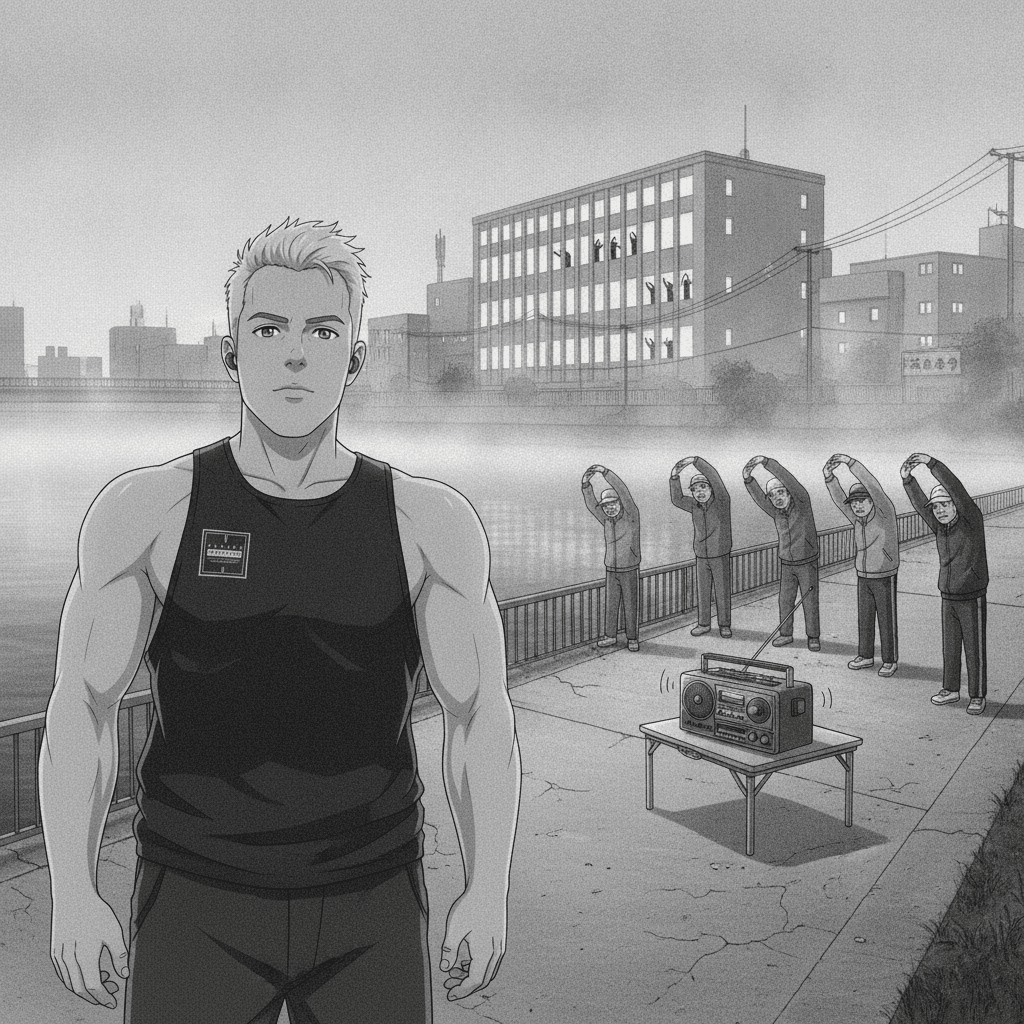
Rajio taiso, the nationwide morning radio calisthenics ritual, is not exercise. It is a compulsory group performance of belonging, broadcast at dawn to people who would rather be asleep.
THE SALARYMAN SNEEZE: 500 DECIBELS OF PURE DEFIANCE
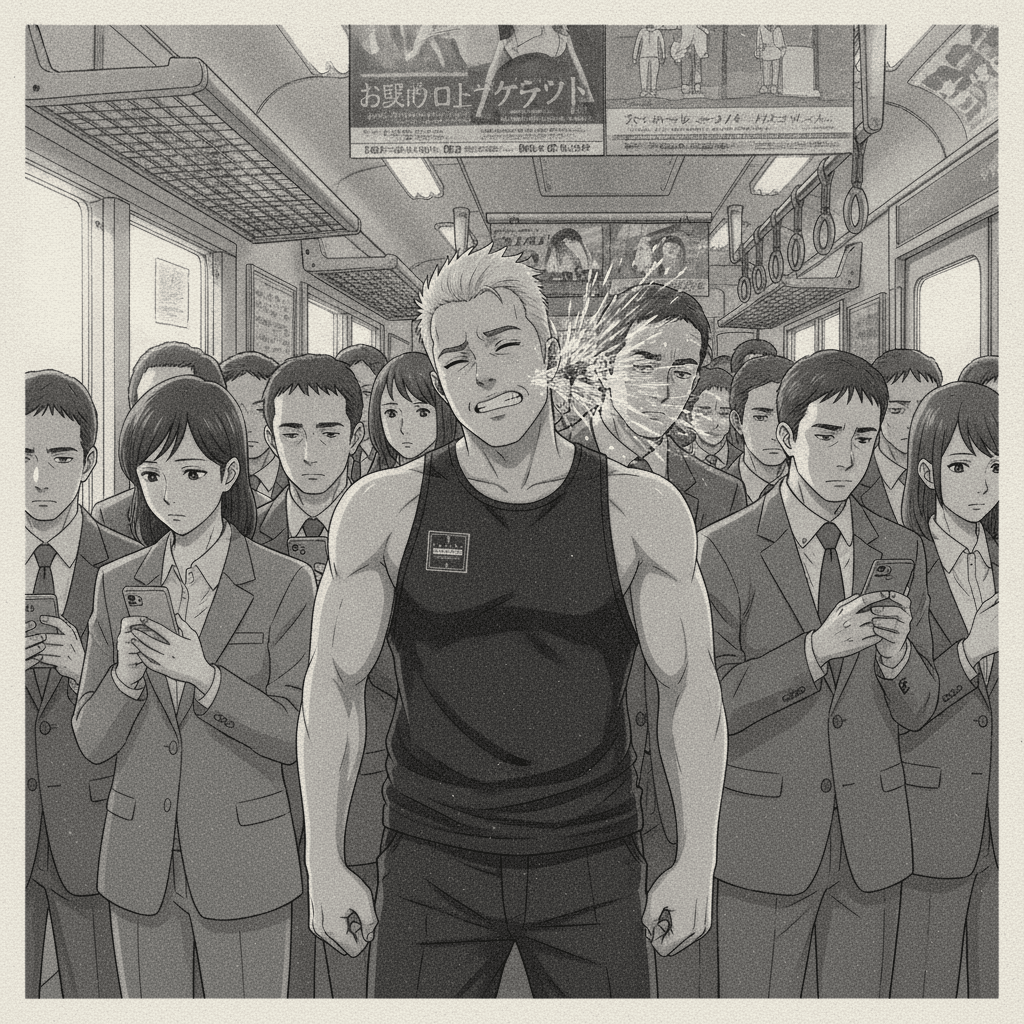
In a country obsessed with silence and reading the room, the Japanese salaryman sneeze detonates like an artillery shell on the 7:42 Yamanote. Nobody flinches. Nobody comments. It is the loudest permitted sound in the quietest culture on Earth.
Comments
…