WHY DO JAPANESE AMBULANCES DRIVE LIKE THEY'VE GOT SOMEWHERE TO BE TOMORROW?
Japanese ambulance response times are the stuff of bureaucratic legend — and not in a good way. When the emergency services drive slower than the average granny on a mamachari, you start to wonder who exactly is in a hurry here.
 By The Angry Gaijin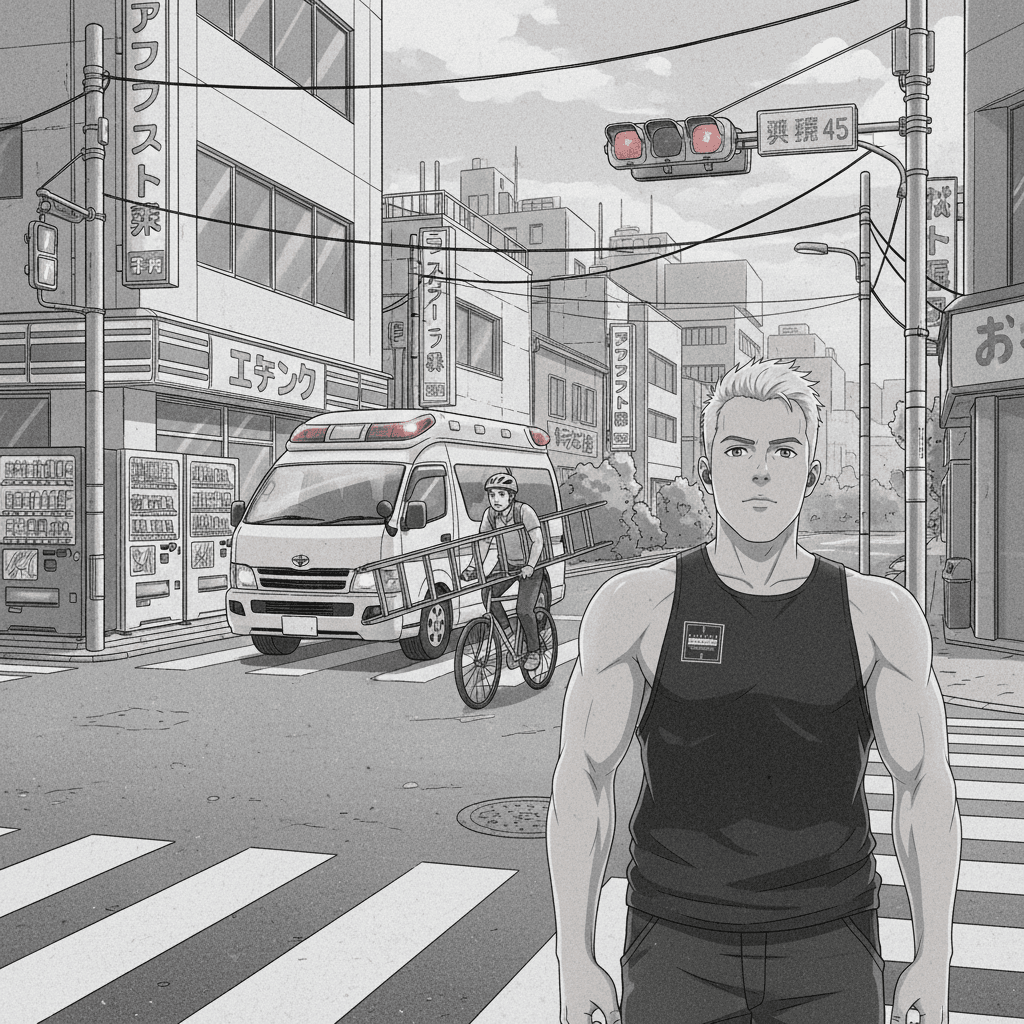
The ambulance came.
I'll give them that. It came. Lights going, siren doing its polite little pee-poo pee-poo — that specific Japanese two-tone that sounds less like 'cardiac event in progress' and more like a Lawson checkout melody — and it arrived. Eventually. At a speed that I can only describe as contemplative.
Japanese ambulance response times have been a quiet scandal for years among long-term expats, not because the paramedics are incompetent (they're not), not because the vehicles are substandard (they're immaculate, obviously — they'll wipe their feet before entering your emergency), but because the entire system proceeds with a ceremonial unhurriedness that makes you wonder if someone filed a form requesting that urgency be temporarily suspended pending further review. I timed one, once, on Kanpachi-dori. It was doing approximately 30 kilometres per hour. There were cyclists overtaking it. One of them was carrying a ladder.
Why Japanese ambulances drive like they're on a Sunday outing
Here is the thing nobody tells you before you move here: Japan's ambulance culture is shaped by the same institutional caution that runs everything else. Before a hospital will accept a patient, the crew must — must — phone ahead and confirm the receiving hospital has a bed, has the right specialist, has spiritually prepared itself for the incoming trauma. This is called taiin kyohi, and hospitals exercise it with a freedom that would make a Michelin-starred restaurant's reservation policy look casual.
In practice, this means the ambulance crew is on the phone while driving. They are negotiating. They are being told 'we're a bit full actually, could you try Keio?' They may be rejected by four hospitals before anyone says yes. And all of this is happening while the vehicle trundles along at a speed that respects the sensibilities of other road users, because — and I cannot stress this enough — nobody in this country appears to have told the driver that the sirens mean you can go through the red light.
I have watched, with my own incredulous British eyes, a Japanese ambulance stop at a junction, wait for the light to go green, and then proceed. The patient inside presumably appreciated the orderly approach.
The paperwork will be with the hospital shortly. The patient, slightly later.
The statistics are not, strictly speaking, catastrophic. Japan's overall survival rates for out-of-hospital cardiac arrest are — fine. They're fine. Tokyo is dense, hospitals are numerous, the population is, through some combination of diet and sheer social obligation to not cause a fuss by dying inconveniently, reasonably robust. The system muddles through.
But 'muddles through' is doing an enormous amount of heavy lifting in that sentence, and the fact that it does so is entirely on brand for a country that has built an entire civilisation on the principle of tatemae — the presentation of a functioning, orderly surface above whatever chaos is actually underneath. The ambulance looks professional. The crew are in pristine uniforms. The paperwork will be immaculate. Whether you arrive at the hospital before or after your condition worsens is, in a sense, a separate administrative concern.
Friends from back home ask me if Japan has good healthcare. I tell them: Japan has beautiful healthcare. Aesthetically, it is unmatched. The clinics are clean. The waiting rooms have a machine that takes your blood pressure and prints a little slip. The doctor bows when you leave. Whether the ambulance will get you there before the situation upgrades from 'serious' to 'historical' is largely a matter of which ward you collapsed in and how agreeable the nearest hospital is feeling.
I am not, to be clear, forming a militia over this. I'm a 3 on a good day. But every time I hear that gentle little siren drifting serenely past my window at a pace that suggests the driver has found a really good podcast, some small part of me — the part that was raised on Casualty reruns and the ambient belief that emergency vehicles accelerate — dies a little.
It will, presumably, arrive at the hospital in due course.
“The ambulance stops at a junction, waits for the light to go green, and then proceeds. The patient inside presumably appreciated the orderly approach.”
Nobody's raged yet. Set the tone.
You Survived This Article.
Congratulations. You are now contractually obligated to forward it to one other foreign resident who is having a worse week than you.
More Rage Where That Came From
All Rants →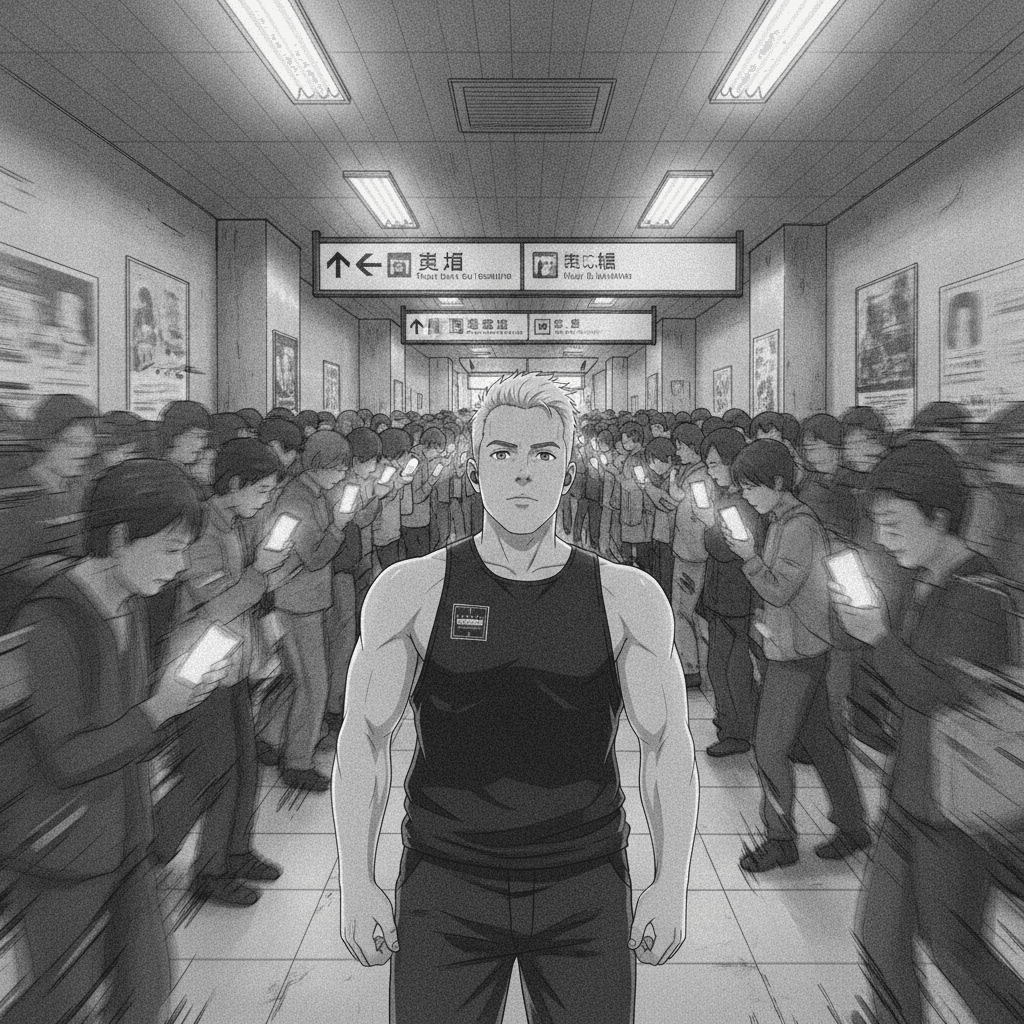
KEITAI ZOMBIES: THE PHONE-STARING PLAGUE OF SHINJUKU STATION
The keitai zombies of Japan will walk into you at a dead crawl, faces welded to a phone, in the middle of Shinjuku station at 8am, and never once consider that other human beings exist. A field report on the smartphone shuffle from hell.
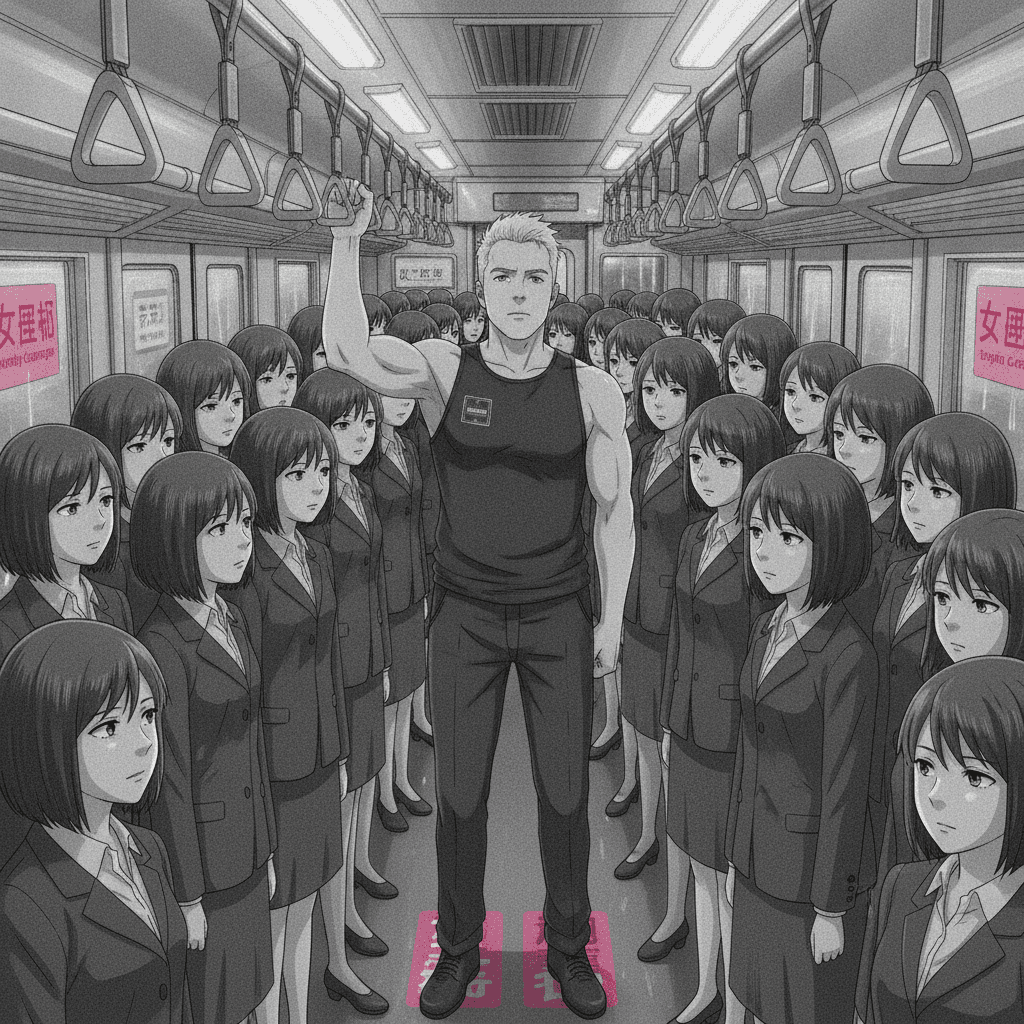
THE PINK CARRIAGE THAT ADMITS WHAT NOBODY WILL SAY OUT LOUD
The women-only carriage on the Tokyo morning rush isn't innovation. It's a pastel confession that the groping problem got so bad the official fix was to physically segregate half the population and call it a service.
Comments
…